
How Do I Know If My Driveway Needs to Be Repaved or Repaired?
Your driveway is an important part of your home’s value and curb appeal. A driveway that’s in poor condition can make your property look worse and also create safety and functional issues. Your driveway takes a beating from traffic, the weather, and just age. You might need to consider either repairing or repaving your driveway. Understanding when you need to repave your driveway and when it just needs a few repairs is essential. In this article, we’re going to go over some of the most common driveway damages, what they mean, and how to know whether your driveway needs repair or a full repave.

Understanding the Difference Between Repair and Repaving
Before evaluating the condition of your driveway, it’s important to know the difference between repairing and repaving. Driveway repairs are typically done to fix isolated problems such as cracks, small potholes, drainage issues, or other minor damage without replacing the entire surface. Repairs may include patching, sealcoating, crack filling, or leveling.
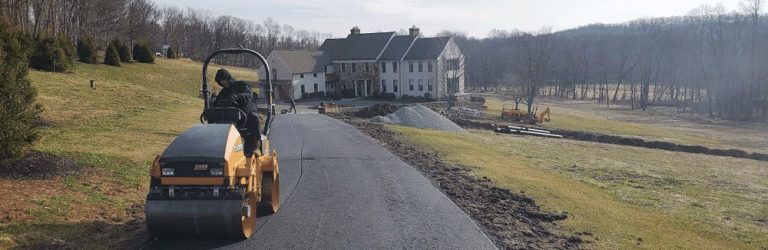
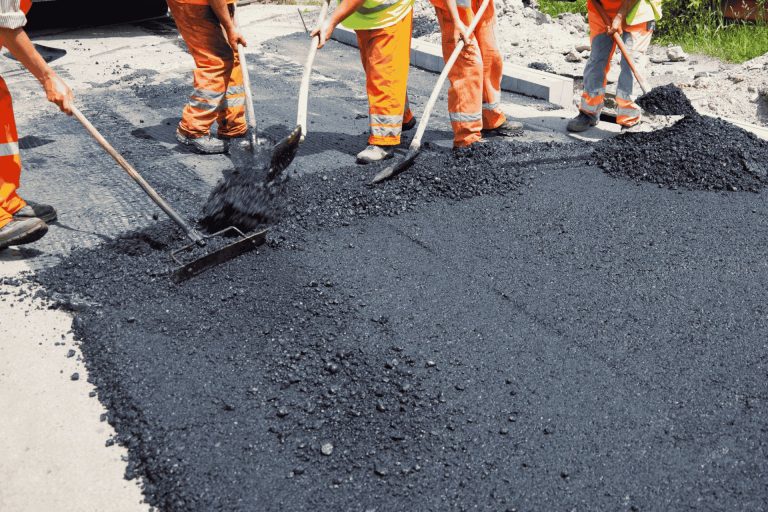
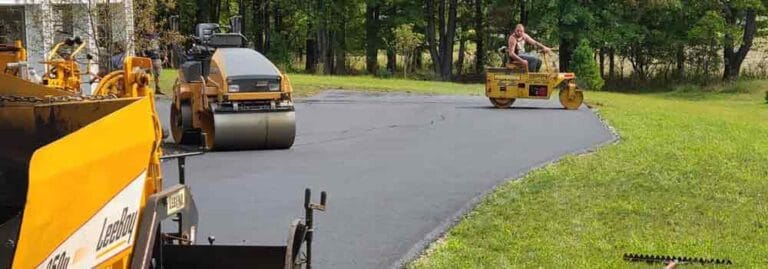
Repaving is when a new layer of asphalt is laid down or the entire surface is replaced. This option is usually best when the damage is widespread, structural in nature or too severe for repairs to be effective. While repaving is more expensive upfront, it provides a longer-term solution and can restore both appearance and durability.
Understanding which option is appropriate for your driveway depends on factors like the age of the asphalt, extent of damage and how well it has been maintained over the years. A professional evaluation can help determine the best course of action.
Signs Your Driveway May Only Need Repairs
Not every crack or blemish necessitates full repaving. There are numerous cases in which early indications of damage can be solved with simple patching and repair procedures. When it comes to small cracking. A solution is available for modest, isolated cracks less than a quarter-inch wide. These fractures can be filled or sealed off, thereby halting further decay.
Patching and sealcoating are two alternatives for superficial problems like fading, small oil stains, and potholes. The driveway has a fresh, tidy appearance following sealcoating. It also protects it from future damage caused by moisture, UV radiation, and car traffic. In addition to that, resurfacing can be an option if your driveway is structurally sound but looks dull or uneven in parts, and repairs are too expensive or extensive.
All driveways less than 10 years old that haven’t been neglected are good candidates for repairs and patching. Over time, fixing tiny issues might save you money on more significant problems down the road. Keep up with the care by sealcoating every few years at the very least.
When Repaving Becomes the Smarter Option
Repairs are often adequate for small, localized problems. However, if the damage is extensive or if there are signs that the base of your driveway has failed, repaving will be required. Alligator cracking is a sure sign of this. These are clusters of interlocking cracks that resemble reptilian skin. They usually mean that the base has failed, and no amount of surface patching will help.
Large potholes or sunken areas are another sign that you need to have your driveway repaved. These issues show structural weaknesses that repairs won’t fix, especially if water is pooling or the base layer is shifting. Patching over major problems only leads to more frequent maintenance and higher long-term costs.
If your driveway is over 15 to 20 years old, has had multiple repairs in the past, has extensive cracking or unevenness, or shows signs of drainage issues, repaving is often the best option. Repaving gives you a fresh start and can prevent the need for ongoing maintenance.
Other Factors to Consider When Deciding
In addition to the extent of visible damage, a few other factors can help decide if a repair or repave is a better option. One of these is drainage: A driveway that doesn’t slope properly or allows water to collect is at risk for further underlying damage. Water infiltration is one of the main causes of asphalt failure, so if water isn’t able to run off your driveway, it could be the start of a larger problem.
Traffic is another consideration. A driveway that sees frequent use from heavy vehicles like delivery vans or trucks will wear out more quickly than one that’s only used by passenger cars. A high-traffic driveway will also require more robust materials and may benefit from repaving sooner.
Appearance and resale value are also factors to consider when it comes to paving vs. repairing. If you plan to sell your home within the next few years, a newly paved driveway can make your home look more appealing and increase its resale value. On the other hand, repairs might not look as aesthetically pleasing.
Working With a Professional Paving Contractor
Deciding whether to repair, resurface, or pave a driveway is often a matter best left to the experts. A professional paving contractor will inspect the current surface, test the base for stability, and evaluate the driveway’s drainage capabilities. From there, they can make a recommendation on the most cost-effective and long-lasting solution.
At Productive Asphalt, we offer comprehensive site evaluations and free consultations to help homeowners decide which approach is best. We go beyond a simple visual inspection and look for any underlying structural issues to provide solutions that are both effective and fit your budget. We know that when it comes to paving your driveway, you want quality that lasts. Our team is committed to the long-term quality and results our customers can count on, whether it be a short-term fix with a patch job or a complete pavement replacement.
So before you end up spending more money on a repair that doesn’t quite fix the problem, consult with a professional paving contractor. The right decision now can help you avoid costly mistakes in the future. A newly paved driveway installed correctly with a quality product will improve your daily life and increase curb appeal, safety, and overall value for years to come.
Conclusion
Deciding whether your driveway needs repair or repaving can start by taking inventory of the types and severity of damage present. For instance, small cracks, surface fading and an isolated pothole or two can usually be handled by timely repairs. However, widespread cracking, deeper damage, and issues with poor drainage and a shifting foundation can all be clues that repaving is the best option for the long term.
Of course, every driveway situation is different and the best option will be based on a number of factors including age, usage and overall maintenance. The best way to know for certain is to trust your assessment to a professional paving contractor with a proven track record of success.
If you aren’t sure what your driveway needs, turn to Productive Asphalt for answers. As a locally owned and operated paving company, we’re invested in protecting your investment and providing quality pavement that stands the test of time. Call us today to schedule a free estimate and inspection.