Should I Patch, Resurface, or Replace My Asphalt? Choosing the Right Solution for Your Driveway or Parking Lot
When your asphalt driveway or parking lot has issues, it can be confusing to know the best way to fix them. Cracks, potholes, fading, and structural damage can all be repaired through one of three different processes: patching, resurfacing, or replacement. Each option has its own advantages, cost factors, and ideal applications. Selecting the appropriate solution will not only save time and money but also prevent further problems in the future.
In this article, we’ll explain the differences between patching, resurfacing, and replacement so you can easily identify the most effective solution for your asphalt problem.

When Is Patching the Right Choice?
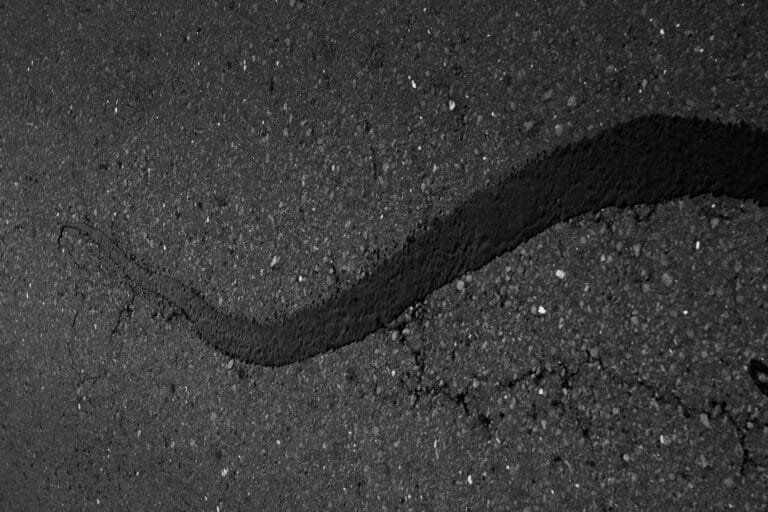
Repair is the most common choice for dealing with isolated and localized areas with only minor issues on an otherwise sound and stable asphalt surface. The terms patching and repairing are generally used interchangeably in asphalt pavement maintenance, but the work typically does not involve addressing the entire pavement surface.
Repairing often simply involves filling in small cracks, potholes or rough areas. It’s the first step you should take in maintaining your asphalt pavement and will keep it looking smooth and new. This is a handy option because it can be implemented on a short timeline and for a reasonable cost. If your pavement is newer or overall in good shape, with only a few minor issues, it’s usually worth patching or repairing to get the most out of it and prevent future issues.
Small potholes or cracks no more than a quarter inch in width or isolated areas of oil stains or vehicle scuffing can often be successfully patched. If the issue is surface-level and doesn’t have structural causes, the repair work will likely be successful. However, repairing the pavement will not fix deeper issues within the asphalt, and it’s a good idea to talk to an asphalt professional to get an idea of what the cause of the problem may be.
While repairing can be the most cost-effective option on a short-term timeline, it won’t be if it’s just a stopgap for deeper issues with the asphalt. You should also consider replacing or redoing the pavement if it seems like you’re constantly patching in different areas and redoing the same work.
What Is Resurfacing and When Should You Do It?
Resurfacing or Overlaying is the process of laying down a new asphalt layer (typically between 1.5 and 2 inches thick) over an existing asphalt surface. This process can be an effective way to give your asphalt surface a new look and feel, increase traction, and prolong its lifespan without the expense of a complete replacement.
Ideally, you should consider resurfacing if your driveway or parking lot has minor to moderate surface damage but a good, solid base layer that is still in fair to good condition. Signs that this is the case include widespread fading, cracking, or chipping, shallow depressions or potholes, and no deeper cracking or erosion below the surface layer. It’s also a good option for asphalt that is 10-15 years old and just starting to break down from UV damage, moisture intrusion, and use.
Note that any existing serious cracks or holes in the asphalt surface will need to be repaired prior to resurfacing, as a good bond between the two layers is necessary for the new one to adhere correctly and last. Additionally, resurfacing will not fix any issues with grading or drainage, so it’s essential that the current slope and drainage of your asphalt is still in good condition as well. If done correctly, resurfacing can add 8-15 years to the life of your asphalt surface.

When Should You Fully Replace Your Asphalt?
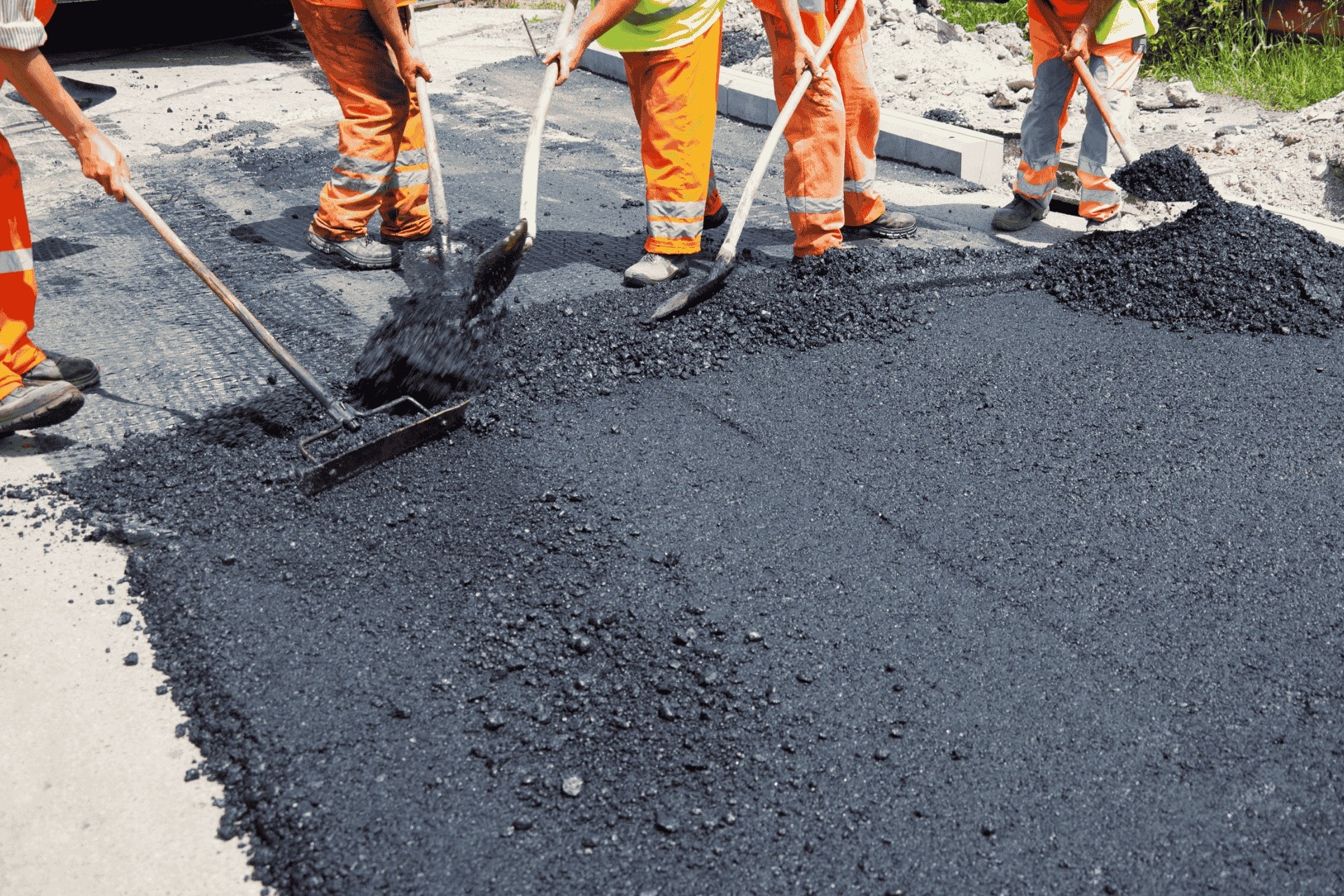
Full replacement may be required when pavement exhibits widespread deterioration or when the sub-base has failed to remain stable. In a complete replacement, the existing asphalt is wholly removed, the foundation is rebuilt from scratch, and the asphalt layers are placed to the required thicknesses per industry standards.
If your asphalt is over two decades old, has significant alligator cracking (widespread interconnected cracks), major or numerous potholes, or is exhibiting signs of base failure (sunken or uneven pavement), then full replacement is something to consider. Any drainage problems that can’t be solved through overlays or patching would also be a clear sign that the asphalt needs to be replaced.
Asphalt replacement is the most costly solution initially, but it also yields the most durable long-term results. A properly installed replacement can last 20-30 years when receiving regular maintenance. An asphalt replacement is an investment that can pay off in longevity, safety, and curb appeal, primarily when the driveway or parking lot is heavily trafficked by commercial vehicles or when the asphalt is simply past its useful life.
Cost Considerations and Long-Term Value
Patching costs the least, with prices between $100 and $300 per patch location, depending on the size and extent of the patch. Repairing damaged surfaces with patching is inexpensive in the short term, but as you need to patch them often, the costs will increase, often surpassing other options.
Resurfacing falls in the middle, with an average cost of between $2 and $4 per square foot. It provides an attractive value to driveways and lots that require refreshing but are not structurally compromised. Additionally, it enables a minor slope or grade adjustment. It does not resolve subgrade problems.
Complete replacement is the costliest option, ranging between $4 and $8 per square foot, depending on the need for excavation, disposal, and the preparation of a sub-base. Despite the initial expenses, replacement is a wise investment for surfaces at the end of their lifespan, as it precludes years of patching.
A balance between short-term costs and long-term performance is critical. In many situations, a hybrid of patching with a future resurfacing or replacement schedule allows to spread out the cost over time while maintaining a functional surface.

How to Choose the Solution Option for Your Property
The safest and most effective way to know when to asphalt patching is to resurface or completely remove and replace asphalt pavement is to have your paved surfaces professionally assessed by an experienced paving contractor. A reputable asphalt paving contractor will assess the extent of surface wear, identify any issues with the sub-base or drainage problems, and present a solution based on the observed conditions and the planned future use.
While your driveway or other paved area may not require more than an occasional asphalt patch for homeowners, for commercial property owners it is essential to consider traffic loads, potential safety liability, and curb appeal in your decision. Your cracked and faded asphalt may pose a greater safety risk to your employees and customers and can also affect your business’s perceived professionalism and regular maintenance.
You should also keep in mind the timing of any work. For instance, some smaller asphalt patching can be completed prior to the onset of winter to avoid water seepage through the cracks that could lead to greater problems in the spring when the pavement thaws, while the optimal weather for large paving jobs is during the spring and summer months. Creating a long-term plan for maintenance for your paved surfaces, whether you are patching in the short term or scheduling for complete removal and replacement at some point in the future, will help to avoid additional and costly repairs in the future.
Ultimately the right solution for you will depend on your end goal: whether you are looking to extend the life of a more recently paved surface, want to improve your curb appeal, or need a full solution to a more serious structural problem. Each option has a time and place, and being proactive when the time comes will save you thousands of dollars down the road.
Conclusion
Patching, resurfacing, and replacing are three paving solutions that serve different needs. Patching is for minor, localized problems in your asphalt. Resurfacing is an option when your pavement has reached the middle of its lifespan but still has a structurally sound foundation. Replacement is the only solution when your asphalt is severely deteriorated or has foundational issues.
Each of these solutions can be a cost-effective way to improve your asphalt if you evaluate your situation and plan accordingly. Productive Asphalt is here to help property owners in New Jersey and Pennsylvania make informed decisions when it comes to their paving projects. Call today for an expert evaluation and take the first step toward finding the solution that works best for you and your property.