
Expanding Your Driveway: Key Factors to Consider When Widening or Extending
Why Homeowners Choose to Expand Driveways
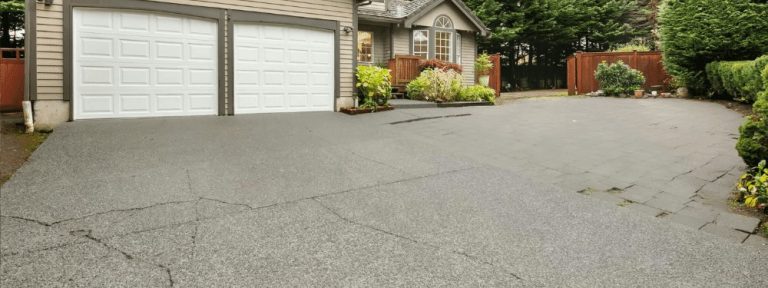
Expanding your driveway is a great way to add space and accessibility for more vehicles. Whether you are looking to upgrade your curb appeal, tire of fighting over parking spaces, or need better access for your moving truck, a wider driveway can make a real difference. Before beginning work, though, there are certain things to keep in mind. These can affect the outcome, price, and quality of the finished work. Here are the 4 most important factors to be aware of when widening your driveway.

Check Local Zoning Laws and Permits First
Before starting any project, a homeowner should check with the local municipality as to zoning regulations and permitting requirements. Some municipalities have restrictions on how wide a driveway can be or how close it can run to property lines, curbs, and public sidewalks. Homeowners can be fined or required to tear out completed work that does not follow these rules. In some townships, the material used or the direction of water runoff must also conform to local zoning codes. A quick phone call to your local zoning office or working with a contractor familiar with these restrictions will save you problems down the road.
Assess the Existing Base and Soil Conditions
If your existing driveway has a good foundation, that does not mean the ground underneath where you plan to extend it will be just as good. Soil conditions such as clay or loose fill dirt are not good. Over time these conditions can cause settling, cracking, and uneven surfaces. An experienced contractor will know to test the soils to determine load-bearing capacity and to make recommendations on base layers, compaction requirements, and drainage. This is not an area to skimp on, as it is how you will ensure your extension matches the quality of the original.
Choose the Right Materials for Your Needs
The most common request when it comes to driveway extensions is to match the pre-existing material – but if your current driveway is in need of an upgrade, this may be a perfect time to consider an alternative. Asphalt is one of the most popular choices for its low cost and attractive, clean appearance. Concrete is a durable, low-maintenance alternative with a range of visual options. Tar and chip has a rustic look with great traction but may not be the best in all climates. Gravel may be the most economical but can require more maintenance. As always, consider how the choice of material will serve your functional and aesthetic needs, your budget, and the long-term performance when choosing the right material for the job. A consultation with a paving contractor will help you find the perfect material for your goals.

Plan for Drainage, Edging, and Long-Term Maintenance
Drainage is one of the most neglected elements in driveway extensions. Water must flow away from your home’s foundation and off of the pavement to avoid erosion and pooling. Proper edging, such as paver stones, curbing, or reinforced borders, can keep the new section from shifting or looking out of place. The expanded area may also change how you care for the surface. If the driveway is larger, you may need to seal it more often. More space can also mean more debris to clean and more cracks to repair. Consider these factors as you plan the project, as they can help you avoid more expensive problems down the road. With the proper preparation, your driveway will remain in great shape for years.
Conclusion: A Well-Planned Driveway Expansion Pays Off
By widening your driveway you can achieve a number of goals for your property, such as improved functionality, enhanced appearance and increased value. To ensure a successful outcome, it’s essential to consider factors such as zoning regulations, soil type, materials, drainage and long-term maintenance. A qualified contractor can help you navigate these considerations and select the right materials and design for your needs. When done right, driveway expansion can provide a lasting solution to your needs and offer many benefits for years to come.