Can You Pave Asphalt Over Concrete? What You Need to Know Before You Decide
Understanding Asphalt Overlays on Concrete
Can I put asphalt over concrete? This is one of the most common questions I get from property owners and managers who are looking for an inexpensive way to pave their lot. I get it, it makes sense. Save money by not having to tear up the existing concrete and just put blacktop over it. While there are many instances where this works fine, there are some things to keep in mind before deciding to pave asphalt over a concrete slab.
Concrete is a very different material than asphalt. It has different expansion and contraction properties that react differently to weather changes. Concrete slabs also have joints that can shift over time. When you put asphalt on top of that, those underlying movements can cause problems with the new surface.

The Side Effects of Overlaying Asphalt on Concrete
There are many long term problems with laying asphalt over concrete. The sub base isn’t completely secure so you will likely encounter many evident problems with your new asphalt. Some common side effects are as follows:
Reflective Cracking
Concrete slabs have expansion joints for the natural movement of the concrete. These joints are a common place for a crack to form. Asphalt over concrete can cause the concrete joints to show through the asphalt. This is called reflective cracking. These cracks are not only unsightly, but they continue to break down the surface.
Increased Maintenance Needs
When reflective cracks do occur, they need to be dealt with. Whether sealing, crack filling or resurfacing is required, it is important to preserve the appearance and functionality of the pavement. Recurring maintenance costs will erode your original investment and increase your total cost of ownership.
Shortened Life Span
The stress from shifting concrete can also hasten the deterioration of the asphalt surface. Even if you keep up with regular maintenance, you may find yourself replacing the overlay several years sooner than anticipated – costing you even more in the long term.
Surface Unevenness
When the base layer shifts, the asphalt surface may become uneven. This can lead to water pooling or flowing improperly, impacting drainage and creating safety hazards. Uneven surfaces are especially problematic for vehicles and pedestrians.
Water Infiltration
Movement cracks can also let water through to the lower layers. This causes freeze-thaw damage in cold weather or can weaken the sub-base in wet weather. This in turn increases the risk of potholes and further cracking.

Is It Time to Dig Out the Old Concrete?
If you’re paving for the long haul, concrete removal may be the more cost-effective choice—in the long run. Removing the existing concrete pavers allows you to start fresh, with a properly prepared sub-base that’s been engineered for asphalt.
Concrete removal also allows paving professionals to assess the integrity of the subgrade below. If the soil is too soft or has drainage issues, or if the previous sub-base has failed, those problems can be rectified before they cause pavement failures. Concrete removal may cost more upfront but could reduce repair and maintenance costs, and extend pavement life.
All in all, concrete removal may cost more initially but could prevent thousands in future repair costs.
Why a Professional Approach Makes the Difference
If you do decide to pave over concrete—or if you do decide to remove and replace it—you should really trust the job to the experts. A professional paving team will assess your property, look for elevation and drainage issues, and prepare the surface for paving.
At Productive Asphalt, we’re all about the long haul when it comes to paving services. When it comes to overlaying asphalt on concrete, we do a few extra things to help it last longer:
- Base Prep – We ensure a level, uniform base to promote a smooth finish and consistent strength.
- Joint Treatment – Paving fabrics or membranes can be placed over expansion joints to help reduce reflective cracking.
- Milling – We grind down high points and ensure proper thickness for the overlay.
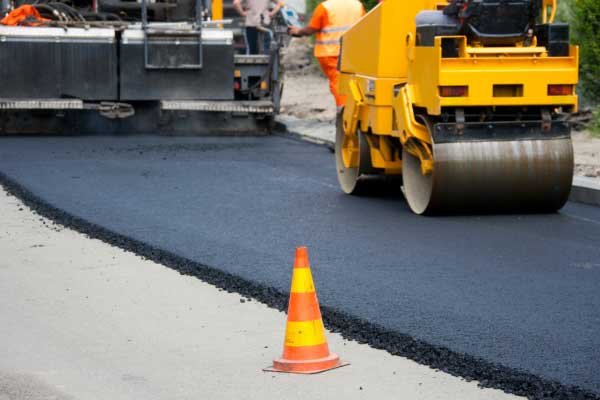
- Hot Mix Asphalt Application – We apply high-quality, temperature-controlled asphalt with precision for a clean, seamless surface.
- Finishing Work – We fill and level low spots, patch problem areas, and optimize drainage flow.
Whether you need a driveway, parking lot or farm road we treat every job with the same attention to detail and focus on long term durability.
To Overlay or Not to Overlay?
There are a number of considerations when it comes to choosing to pave an asphalt surface over concrete. Cost, time constraints, intended usage, and the condition of your existing concrete are just some of the factors to consider. If your concrete is in good condition (No significant cracking, shifting or drainage issues) then asphalt is often a great option to effectively and affordably increase the value of your existing concrete.
In other cases if your concrete is shifting, cracking and/or holding water then it could be more cost effective to break out the concrete and start over with a properly prepared asphalt base.
The team at Productive Asphalt is always happy to help homeowners and business owners make the most educated decisions for their specific needs. We will evaluate your property and make a fair recommendation based on what will work best for you for years to come.
Ready to make the right call for your driveway or lot?
Contact Productive Asphalt for a free consultation. We’ll help you decide whether to overlay or start fresh—ensuring your surface looks great and lasts long.
???? Call us at 877-884-7325
???? Contact Us