Why Recycled Asphalt is the Most Sustainable Material in the World
When it comes to recycling and sustainability, reclaimed asphalt is widely regarded as one of the most environmentally friendly materials in the world. The asphalt industry is proud to be a leader in recycling, reusing, and repurposing existing materials, while also minimizing the environmental impact of new construction and paving projects. We take great pride in using recycled asphalt to provide you with a long-lasting, environmentally friendly paving solution.
The Process of Recycling Asphalt
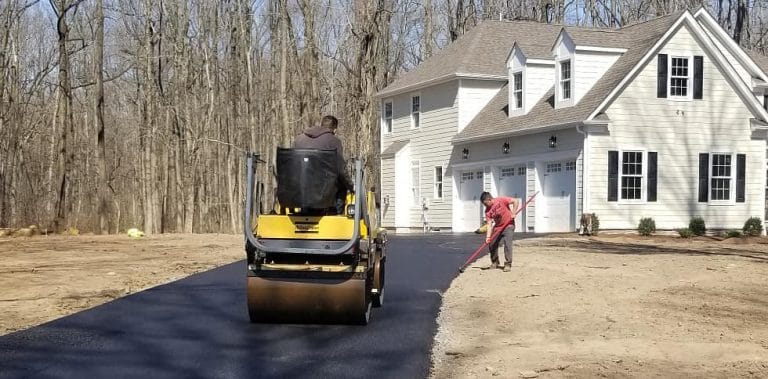
Recycling asphalt starts with the removal of existing asphalt surfaces, such as roads, driveways, or parking lots. This material, called Reclaimed Asphalt Pavement (RAP), is then transported to a processing facility. The first step in the recycling process is the separation of RAP from debris such as dirt or vegetation. The old asphalt is then ground up and mixed with new aggregates and binders to create a fresh and usable material for paving.
Recycled asphalt production is a cost-effective solution for waste management, as it reduces the need for new raw materials while also minimizing the amount of waste sent to landfills. With over 80% of asphalt being recycled through the use of RAP, the asphalt industry has the highest recycling rate of any material.
Environmental Benefits of Recycled Asphalt
Recycled asphalt is a great way to positively impact the environment in several ways. For starters, the manufacturing of new asphalt using virgin materials is an energy-intensive process, which contributes to greenhouse gas emissions. When we reuse existing asphalt, we significantly reduce the energy required and, in turn, the emissions.
In addition to reducing emissions, recycled asphalt also helps conserve natural resources. Aggregates (stone, sand, and gravel) and petroleum-based binders are used in the production of asphalt. By incorporating RAP (recycled asphalt pavement) into new mixes, we reduce the need for mining and drilling, thereby conserving these resources for future generations. The reduced demand for virgin materials also means a smaller carbon footprint for paving projects.
Finally, recycling asphalt addresses the issue of waste management. Old asphalt surfaces don’t have to go to landfills, taking up space and potentially causing environmental damage. Instead, this material is recycled and put to good use, promoting a circular economy where resources are reused rather than wasted.
Economic Advantages of Recycled Asphalt
One of the most obvious benefits of recycled asphalt is its cost-effectiveness. By repurposing materials, the overall production cost is reduced, leading to significant savings for contractors and property owners. Whether you are paving a driveway or building a new parking lot, using RAP can help lower your expenses without compromising quality.
In addition, recycled asphalt is just as durable and effective as its new counterpart, provided it’s properly processed and installed. Thanks to technological advancements and refined production techniques, RAP can meet the same high-quality standards as virgin materials.
The potential for cost savings with recycled asphalt is particularly significant for larger projects, such as highways and commercial parking lots. Governments and businesses are increasingly adopting recycled asphalt as a means to extend their budgets and achieve sustainability targets.
Durability and Performance of Recycled Asphalt
You may be asking if recycled asphalt can match the strength and durability of virgin asphalt. The answer is a resounding yes! If recycled asphalt is properly processed, it can be just as tough and long-lasting as its freshly made counterpart. It is a fact that its strength is unrivaled, especially with constant heavy traffic, weather changes, and wear and tear over time. This makes it a popular choice among paving professionals and contractors.
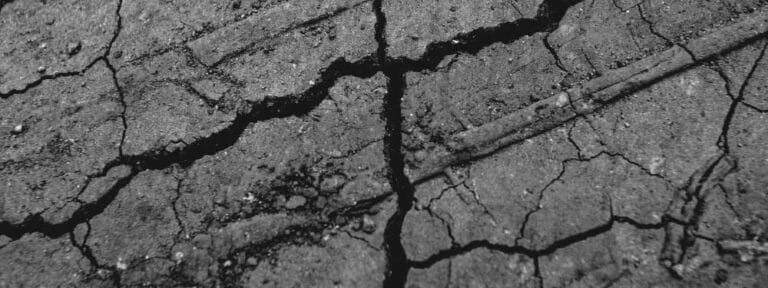
On top of being tough and dependable, recycled asphalt has exceptional bonding qualities. When blended with new binders and aggregates, recycled asphalt provides a seamless surface that resists cracking and potholes. You can bet on the fact that surfaces paved with RAP will provide years of dependable service and require far less frequent repairs or replacement.
The Role of Productive Asphalt in Promoting Sustainability
At Productive Asphalt, we believe in paving a greener future. By using recycled asphalt in your driveway resurfacing, parking lot repair, or new road construction, you’re not just saving money—you’re helping the environment, too.
Our team knows that every paving project is an opportunity to do good. When you choose recycled asphalt, you’re choosing to protect the planet and pave the way for a better future.
Conclusion
Recycled asphalt may have several various properties as well as several positive impacts. It is in fact an all-around champion of paving and construction as a result of these features, among them reduced waste, reduced resource use, and decreased costs. Because of the factors listed, recycled asphalt is the most environmentally friendly paving material in the world.
Recycled asphalt can make a significant impact on paving practices while also guaranteeing a variety of significant positive impacts. We at Productive Asphalt are at the forefront of an environmentally friendly industry because of these facts. RAP is a terrific paving material that we frequently use in our company.
For more information on what recycled asphalt is and how it might help your business, call Productive Asphalt now. We are ready to help you plan your paving project and show you just how much of a difference recycled asphalt can make.