Hot vs Cold Methods for Patching Asphalt Potholes
That pothole in your driveway didn’t appear overnight, even if it feels that way. Water seeped in through a crack last fall, froze and expanded all winter, and finally broke through the surface when temperatures started bouncing around in early spring. Now you’re staring at a hole that’s getting bigger every time it rains, and you need to know whether to grab a $15 bag of cold patch from the hardware store or call someone with hot mix equipment. The difference between these asphalt repair methods isn’t just about cost or convenience—it’s about whether you’re fixing the problem once or setting yourself up to patch the same spot again next season. This guide walks you through exactly when each method makes sense, what you’re actually paying for, and how to avoid the mistakes that turn a simple pothole repair into an expensive recurring headache.
Patching Potholes in Asphalt: Understanding Your Repair Options
When you’re dealing with pothole damage, you’ve got three main approaches: cold patch, hot mix asphalt, and infrared repair. Each serves a different purpose, and mixing them up costs you money.
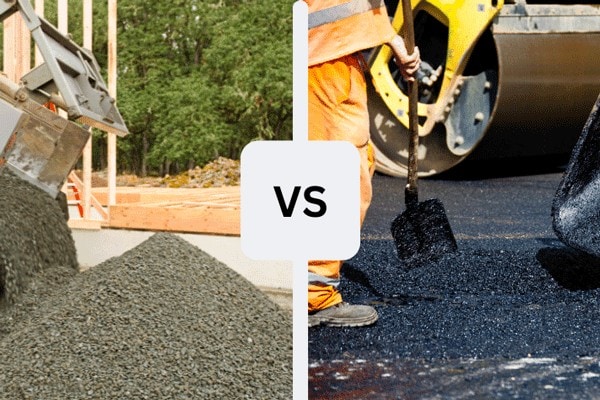
Cold patch is pre-mixed asphalt you can apply straight from the bag, no heating required. You’ll find it at most hardware stores for $8-$20 per 50-pound bag, and it works in any weather. Hot mix asphalt gets heated to 300-350 degrees at a plant, requires professional equipment, and needs warm, dry conditions for proper installation. Infrared pothole repair uses heat to soften your existing asphalt, blends in new material, and creates a seamless bond without visible seams.
The method you choose depends on timing, budget, and whether you want a temporary band-aid or a permanent fix. Most people default to whatever seems cheapest or fastest without understanding what they’re actually getting. That’s how you end up patching the same pothole three times in two years, spending more money on repeated temporary fixes than one permanent repair would have cost.
Cold Patch Pothole Repair: When Temporary Makes Sense
Cold patch asphalt exists for one reason: to give you a quick fix when conditions won’t allow proper hot mix installation. It’s designed to be stockpiled, stays workable in freezing temperatures, and can be applied during rain or snow. You pour it in, compact it with a tamper or even drive over it, and you’re done in minutes.
Here’s what cold patch actually does well. It stops a pothole from expanding during winter when hot mix installation isn’t possible due to freezing temperatures. It provides immediate safety improvement for a dangerous hole that can’t wait until spring. It costs less upfront—typically $8 to $20 for a 50-pound bag that covers about six square feet at one inch deep. For property managers dealing with liability concerns during a snowstorm, cold patch keeps parking lots usable until permanent asphalt repairs can happen.
But cold patch is not a permanent solution, no matter what the bag claims. The material uses special oils to stay pliable in cold weather, and those same oils prevent it from forming the strong bond that hot mix creates. Traffic and weather will break it down. You’re looking at 1-2 seasons of service, maybe less if the pothole sees heavy use or has drainage issues underneath. In New Jersey’s climate with 55-75 freeze-thaw cycles every winter, cold patch repairs often fail even faster as water infiltration continues beneath the surface.
The biggest mistake people make with cold patch is treating it like a permanent repair. They patch a pothole in November, forget about it, and act surprised when it fails by the following spring. Cold patch works when you understand it’s buying you time until you can do the job right with hot mix asphalt. It fails when you use it as a cheap alternative to proper repair and then blame the product when it doesn’t last.
If you’re going to use cold patch, do it right. Clean out all loose debris and standing water first. Overfill the hole slightly—about half an inch above the surrounding pavement—because the material will compact under traffic. Use a hand tamper or plate compactor rather than just driving over it for better compaction. And most importantly, schedule the permanent hot patch asphalt repair before you forget about it. Cold patch is a placeholder, not a solution.
Hot Patch Asphalt Repair: The Permanent Fix That Actually Works
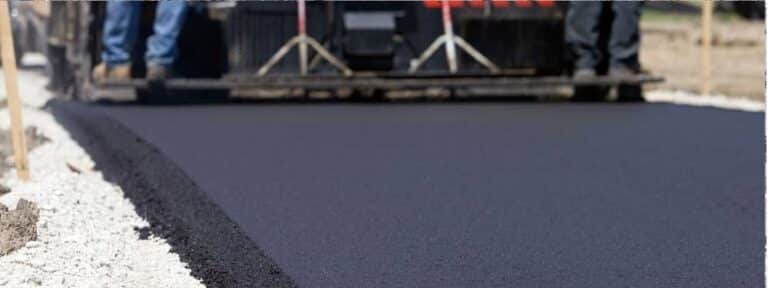
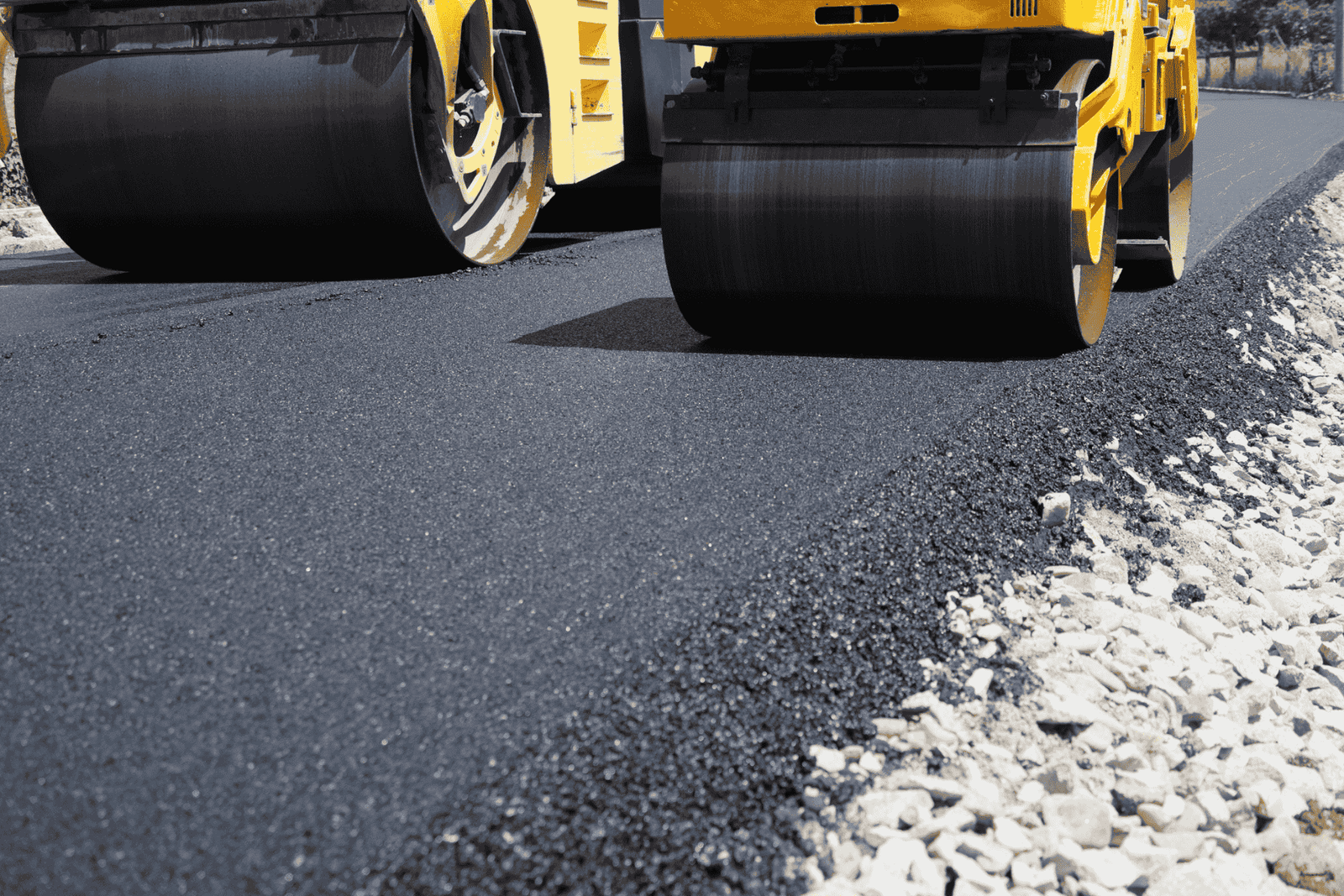
Hot mix asphalt repair is what you use when you want to fix a pothole once and not think about it again for 10-15 years. This is the same material used for roads, highways, and commercial parking lots that handle constant heavy traffic. It’s heated to 300-350 degrees, applied while hot, and compacted with professional equipment to create a repair that bonds completely with your existing asphalt.
The process matters more than most people realize. A proper hot mix repair starts by cutting out the damaged area in a clean, rectangular shape—not just filling the visible hole. You’re removing compromised asphalt around the pothole and often going deeper to address base issues that caused the failure in the first place. The base gets compacted properly, a tack coat goes down to ensure bonding, and then hot mix is installed in lifts and compacted with a vibratory roller. The edges get sealed with liquid asphalt to prevent water infiltration. Done correctly, you end up with a repair that’s as strong as the original pavement.
This method costs more upfront. You’re looking at $2 to $5 per square foot for materials and labor, plus mobilization fees of $100 to $250 to get the crew and equipment to your site. For a typical driveway pothole, expect to pay $150 to $400 depending on size and depth. That’s significantly more than a $15 bag of cold patch. But here’s the math that matters: if you patch the same pothole with cold mix three times over three years at $50 each time, you’ve spent $150 on temporary fixes and still have a pothole. One hot mix repair at $200 solves it permanently.
Hot mix requires specific conditions. You need air temperatures above 50 degrees Fahrenheit and dry weather for proper compaction and curing. That’s why most hot mix repairs happen from late spring through fall in Hunterdon County, NJ. You can’t do this work during a January cold snap, which is exactly when potholes tend to appear after freeze-thaw cycles. This timing limitation is why cold patch exists and why understanding both asphalt repair methods matters.
The real value of hot mix isn’t just longevity. It’s addressing the underlying problem that caused the pothole in the first place. Water infiltration, poor drainage, inadequate base preparation—these issues don’t get fixed by dumping material into a hole. Hot mix repair done by experienced contractors includes diagnosing why the pothole formed and preventing it from happening again. You’re paying for expertise and proper technique, not just materials. That’s the difference between a repair that lasts 15+ years and one that fails in 18 months.
Infrared Pothole Repair: The Advanced Alternative
Infrared asphalt repair sits between cold patch and traditional hot mix in terms of process, but it delivers results that often surpass both. Instead of cutting out damaged asphalt and filling it with new material, infrared technology heats your existing asphalt to make it workable again. New material gets mixed in, everything is raked smooth and compacted, and you end up with a seamless repair that has no visible joints or edges where water can penetrate.
The process is faster than traditional hot mix and creates a better bond than cold patch could ever achieve. An infrared heater warms the damaged area for 5-10 minutes until the asphalt becomes pliable. The softened material gets raked and mixed with fresh asphalt and rejuvenators. Everything is compacted smooth, and within 15 minutes you have a completed repair that’s ready for traffic.
Infrared repair costs $2 to $6 per square foot, making it comparable to or slightly more expensive than traditional hot mix depending on the job size. But you’re getting advantages that justify the price for many property owners. The seamless finish eliminates the seams and edges that are vulnerable points in traditional patches. The repair recycles your existing asphalt rather than hauling it away and replacing it entirely. And the method works in a wider temperature range than hot mix, though you still need dry conditions for proper bonding.
When Infrared Makes More Sense Than Traditional Methods
Infrared repair shines in specific situations where traditional patching methods fall short. If you have a pothole in the middle of an otherwise good asphalt surface, infrared creates a repair that blends invisibly with the surrounding pavement. There’s no visible patch, no seam collecting water, and no color difference that screams “this was repaired.”
This method works particularly well for repairs near catch basins, utility covers, and other structures where traditional sawcutting would be difficult or create more problems than it solves. It’s ideal for fixing settlement issues around manholes where the pavement has sunk but the asphalt itself is still in decent condition. And for commercial properties where aesthetics matter—retail centers, office complexes, upscale residential communities—infrared repair maintains a professional appearance that traditional patches can’t match.
The limitations matter too. Infrared repair works on surface and near-surface damage, but it’s not designed for base failure. If your pothole formed because the base underneath collapsed or washed away, heating the surface asphalt won’t fix the structural problem. You need excavation, base repair, and then new asphalt. Trying to use infrared in these situations is like putting a band-aid on a broken bone. It might look better temporarily, but the underlying issue will cause failure within months.
Infrared also requires dry conditions and relatively mild weather, though it works in a wider temperature range than traditional hot mix. You can do infrared repairs in cooler weather that would be marginal for hot mix, but you still can’t work in rain or on wet surfaces. The moisture interferes with bonding and can cause the asphalt to cool too quickly or heat unevenly, compromising the repair.
The real advantage of infrared repair is longevity combined with aesthetics. When done properly by experienced contractors, infrared repairs last as long as traditional hot mix because they create complete bonding with the existing pavement. But unlike traditional patches that show visible seams and edges where water can eventually penetrate, infrared repairs become part of the original surface. For property owners who care about appearance and long-term performance, that combination is worth the investment. You’re getting permanent results without the visual reminder that a repair was ever done.
Base Preparation and Drainage: Why Most Pothole Repairs Fail
The repair method you choose matters less than what happens before any material goes down. Potholes form because water gets into your asphalt, freezes, expands, and breaks apart the pavement. If you don’t address how water is getting in and where it’s going, you’re just setting yourself up for the next pothole six months from now.
New Jersey experiences 55 to 75 freeze-thaw cycles every winter. Each cycle causes water trapped in cracks to freeze and expand by 9%, then thaw and allow more water in. This is why potholes seem to appear overnight after a cold snap following rain or snow. The damage was building all winter, and the final freeze-thaw cycle was just the breaking point. Patching the hole without fixing the drainage is like bailing water from a boat without plugging the leak—you’re treating symptoms instead of causes.
Proper base preparation means excavating deep enough to reach solid, stable material. If the base underneath your asphalt has turned to mud or washed away, piling new asphalt on top won’t hold no matter which method you use. The base needs to be compacted properly, graded for drainage, and stable enough to support the pavement above it. This is where experienced contractors separate themselves from quick-patch operators. Anyone can dump material into a hole. Not everyone knows how to diagnose base failure or design drainage solutions that prevent future problems.
Water management in Hunterdon County, NJ requires understanding local soil conditions and topography. Clay soils hold water differently than sandy soils. Rolling terrain creates drainage patterns that aren’t obvious without decades of experience working in this specific area. We’ve been working in Hunterdon County since 1948, and we know how to grade a repair so water flows away from the patch rather than pooling around it. We know when you need to address drainage beyond just the pothole itself, and when a simple patch will hold because the surrounding area drains properly.
This is why the cheapest bid often costs you more in the long run. A contractor who prices a job based on just filling a hole with material will come in lower than someone who factors in proper excavation, base repair, and drainage correction. But six months later when the cheap repair fails and you’re calling someone else to fix it properly, you’ve paid twice for the same repair. The first time was wasted money that did nothing but delay the inevitable.
Quality pothole repair addresses the cause, not just the symptom. That means evaluating why the pothole formed, what drainage issues exist, whether the base is sound, and what method will provide a permanent solution given those specific conditions. It means being honest about when a simple patch will work and when you need more extensive repair. And it means doing the prep work that nobody sees but that determines whether your repair lasts two years or twenty.
Choosing the Right Pothole Repair Method for Your Property
Cold patch, hot mix, and infrared repair each have their place in patching asphalt potholes. Cold patch gets you through winter emergencies and buys time until proper repair is possible when temperatures warm up. Hot mix provides permanent solutions when done with proper base preparation and drainage correction. Infrared creates seamless repairs that blend invisibly with existing pavement while delivering long-term performance.
The method you choose should match your specific situation and timeline. A pothole that appeared in January needs cold patch to prevent expansion until spring temperatures allow hot mix installation. A driveway with multiple potholes and drainage issues needs comprehensive repair with base work and hot mix asphalt. A parking lot with aesthetic concerns and surface-level damage is a perfect candidate for infrared repair.
What matters most is working with contractors who understand the difference between these methods and will recommend the right approach for your property rather than whatever’s easiest or most profitable for them. At Productive Asphalt LLC, we bring 75 years of family experience to every pothole repair in Hunterdon County, NJ. Owner Mark Harrison personally evaluates each job to determine the best solution for your specific conditions. Whether you need emergency cold patch during winter or permanent hot mix repair when weather permits, you’ll get honest assessment and quality workmanship backed by decades of experience in this region’s unique climate and soil conditions.