
How to Choose Residential Paving Contractors Who Deliver
You need a new driveway, and you’re already hearing horror stories. The neighbor who paid cash to a crew that disappeared. The friend whose brand-new asphalt cracked within months. The relative who got hit with surprise fees that doubled the original quote.
It’s enough to make anyone hesitate. But here’s the thing—quality residential paving contractors do exist, and they’re not as hard to identify as you might think. You just need to know what you’re looking for, what questions actually matter, and which red flags mean you should walk away immediately.
This isn’t about finding the cheapest bid or the fastest timeline. It’s about finding someone who’ll do the job right the first time, treat your property with respect, and still be around if something needs attention years from now. Let’s start with what actually separates the professionals from the pretenders.
What Makes a Residential Paving Contractor Qualified
Not everyone with a truck and some asphalt equipment is qualified to pave your driveway. The difference between a contractor who delivers and one who disappears after taking your money often comes down to a few key credentials and characteristics.
Legitimate residential paving contractors carry proper licensing and insurance. In New Jersey, that means a Home Improvement Contractor license and both liability and workers’ compensation insurance. If something goes wrong on your property, you want their insurance covering it—not yours. Ask to see certificates directly from their insurer, not just a photocopy that could be outdated or fabricated.
Experience matters more than most people realize. A contractor who’s been in business for decades has seen every possible problem and knows how to prevent them. They understand how your local soil conditions, climate, and drainage patterns affect paving longevity. They’ve built relationships with quality material suppliers and know which shortcuts lead to callbacks.
But credentials alone don’t tell the whole story. The best contractors also have a physical business address, branded vehicles, and an established local reputation. They provide references from recent projects without hesitation. They answer your questions directly instead of deflecting or rushing you toward a decision. And they treat your $5,000 driveway with the same care they’d give a $50,000 commercial parking lot.
Essential Questions to Ask Before Hiring a Paving Contractor
The questions you ask before signing a contract matter more than the sales pitch you hear. Smart questions reveal whether you’re dealing with a professional or someone who’s winging it.
Start with experience. How long have they been in business? Not just the company name, but the actual people doing the work. A crew that’s been paving together for years works more efficiently and catches problems before they become expensive mistakes. Ask about their specific experience with residential driveways in your area. Commercial parking lots require different techniques than residential work, and what works in Florida won’t necessarily work in New Jersey’s freeze-thaw cycles.
Get specific about the process. What’s their base preparation procedure? How do they handle drainage? What thickness of asphalt will they install? Quality contractors explain these details because they know proper preparation determines how long your driveway lasts. If someone can’t answer or gives vague responses about “standard procedures,” that’s a red flag.
Ask about the estimate. What exactly is included? Are there any potential additional costs? How do they handle unexpected issues like soft spots in the soil? A detailed written estimate should break down materials, labor, site preparation, and any additional services. It should specify asphalt thickness, base material type and depth, and project timeline.
Don’t skip the warranty question. What does it cover and for how long? A contractor confident in their work offers a clear warranty on both materials and workmanship. Vague promises like “we stand behind our work” mean nothing without specifics in writing.
Finally, ask who will actually be on your property. Will the owner or project manager be on-site, or will they send a crew and disappear? When problems arise—and they sometimes do—you want direct access to someone with authority to make decisions, not a crew that has to call someone who’s three jobs away.
References matter, but ask smart questions when you call them. Don’t just ask if they’re happy with the work. Ask how the contractor handled communication, whether the timeline was accurate, if there were any surprise costs, and how the driveway has held up over time. A driveway that looks great at completion but fails within two years tells you everything about shortcuts taken during installation.
How to Protect Yourself from Asphalt Paving Scams
Asphalt paving scams cost homeowners thousands of dollars every year, and the tactics haven’t changed much because they still work. Knowing what to watch for protects both your money and your property.
The classic scam starts with a knock on your door. Someone claims they’re paving a job nearby and have leftover asphalt they can use on your driveway for a steep discount. They need an answer today because the material will go to waste otherwise. Here’s the truth: professional paving contractors don’t carry leftover hot-mix asphalt between sites. The material cools quickly and must be laid within a narrow temperature window to bond properly. This pitch is designed to create urgency and bypass your better judgment.
Cash-only demands are another massive red flag. Legitimate contractors accept checks or credit cards because they run actual businesses with proper accounting. Cash eliminates your paper trail and usually means they’re avoiding taxes or planning to disappear. Always pay by check or credit card so you have documentation and dispute options if something goes wrong.
Watch for contractors who can’t or won’t provide proof of insurance. Some will show you a photocopy of an expired certificate or one that doesn’t actually cover your type of work. Insist on a current certificate of insurance sent directly from their insurance company to you. If they can’t arrange that, walk away. If someone gets hurt on your property and they’re not properly insured, you could be liable.
Extremely low bids deserve scrutiny, not celebration. When one estimate comes in 25-30% below others, something’s wrong. They’ve either missed scope, plan to use substandard materials, or will hit you with change orders once work begins. The cheapest quote often becomes the most expensive when you factor in repairs, redo work, or complete replacement within a few years.
High-pressure tactics signal desperation or deception. Legitimate contractors with quality work don’t need to pressure you into immediate decisions. They’re fine with you comparing bids and asking questions. If someone tells you the price is only good today or tries to make you feel foolish for wanting time to think, that’s manipulation, not business.
No written contract is perhaps the biggest red flag of all. Every legitimate paving project should have a detailed written contract outlining scope of work, materials, timeline, payment schedule, and warranty. Verbal agreements mean nothing when problems arise. If someone wants to start work based on a handshake, refuse.
The “bait and switch” is another common tactic. They quote one price, start the work, then claim they discovered unexpected problems that will cost significantly more. While legitimate issues do sometimes arise, scammers use this to shake down homeowners who feel trapped once work has begun. A quality contractor does a thorough site assessment before quoting and builds contingencies into their estimate.
Unmarked vehicles and out-of-state license plates aren’t automatically disqualifying, but they warrant extra scrutiny. Traveling crews often run scams because they’ll be in another state before your driveway fails. Local contractors with branded trucks and a physical address have reputations to protect and nowhere to hide if problems develop.
Protect yourself by doing homework before anyone shows up with equipment. Check the Better Business Bureau for complaints. Search online for reviews, but look for patterns rather than isolated incidents. One bad review might be an unreasonable customer, but repeated complaints about the same issues signal real problems. Visit their website and verify it shows local projects, not stock photos. Call their references and ask to see completed work that’s at least two years old—fresh pavement always looks good, but time reveals quality.
What Quality Residential Paving Contractors Actually Do Differently
The difference between a driveway that lasts 20 years and one that fails in five often comes down to work you can’t see once the asphalt is laid. Quality contractors understand this and don’t cut corners on the foundation.
Proper site assessment comes first. Before providing an estimate, we visit your property to examine drainage patterns, existing surface conditions, soil type, and any unique challenges your site presents. We look for soft spots, consider how water flows during rain, and plan for proper slope. Contractors who quote over the phone or based on square footage alone are guessing, and you’ll pay for those guesses later.
Base preparation determines everything. The subgrade—the soil beneath your driveway—needs proper grading and compaction. Quality contractors remove inadequate base material, address soft spots, and install proper depth of compacted aggregate. This isn’t where you want to save money. An improperly prepared base leads to settling, cracking, and premature failure regardless of asphalt quality. Hunterdon County’s clay soil and freeze-thaw cycles require specific techniques that experienced local contractors understand.
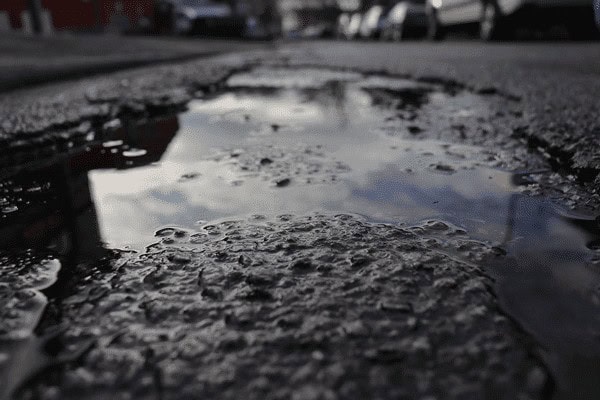
Drainage solutions prevent the most common cause of driveway failure. Water is asphalt’s enemy. It seeps into cracks, freezes, expands, and destroys pavement from underneath. Quality contractors design proper slope—typically about 2% grade—to direct water away from your home and prevent pooling. We consider where runoff will go and how to manage it without creating problems for your foundation or neighbors.
Understanding the Proper Paving Installation Process
Knowing what should happen during installation helps you spot when corners are being cut. The process isn’t complicated, but each step matters.
It starts with removing existing pavement if you’re replacing rather than overlaying. Quality contractors excavate to proper depth, removing not just the old asphalt but any compromised base material. We grade the exposed area for drainage and compact the soil to prevent future settling.
Next comes base installation. This typically involves several inches of crushed stone aggregate, installed in lifts and compacted with heavy equipment. Each lift gets compacted separately rather than dumping all the material at once. Proper compaction requires the right equipment—heavy rollers, not just the weight of trucks driving over it. Shortcuts here lead to settling and cracking within months.
Asphalt installation requires proper thickness for your specific use. Residential driveways typically need 2-3 inches of compacted asphalt, though heavier use might require more. The asphalt must be hot when installed—around 300 degrees—and worked quickly before it cools. This is why crew size and equipment matter. A small crew with old equipment can’t keep pace with the paving machine, leading to seams and cold joints where sections don’t bond properly.
Compaction happens immediately after the asphalt is laid, while it’s still hot. Heavy rollers compact the material to proper density, eliminating air pockets and creating a smooth, durable surface. Edges require special attention—hand tamping where the driveway meets sidewalks, garage floors, or other structures ensures proper transitions without trip hazards.
The finishing touches matter too. Proper contractors ensure clean edges, smooth transitions, and attention to details like where your driveway meets the street. We clean up thoroughly, removing debris and excess material. And we provide clear instructions about curing time—typically 24-48 hours before light traffic and several days before parking heavy vehicles.
Temperature and weather affect everything. Quality contractors won’t install asphalt in rain or when temperatures fall below 50 degrees. The material won’t compact properly in cold conditions, and moisture prevents proper bonding. Rushing installation in poor conditions leads to problems that appear within the first year. Contractors willing to wait for proper conditions demonstrate they prioritize quality over simply getting paid and moving to the next job.
Red Flags That Signal You Should Walk Away
Some warning signs are subtle, but others should make you end the conversation immediately and look elsewhere.
No physical business address is a major red flag. A P.O. Box or just a phone number suggests a fly-by-night operation that won’t be around when problems develop. Legitimate contractors have an actual office or shop location where they store equipment, maintain vehicles, and conduct business. They’re part of the community with a reputation to protect.
Inability to answer basic questions about their process indicates they don’t know what they’re doing. Every experienced paving contractor should easily explain base preparation, drainage management, material specifications, and installation procedures. If someone deflects, gets defensive, or gives vague answers, they’re either inexperienced or hiding something.
Pressure to sign immediately or start work right away signals manipulation. Quality contractors with full schedules don’t need to pressure anyone. We’re confident in our work and comfortable with you taking time to compare options. The “we can start tomorrow” pitch often means they’re desperate for work—and you should ask yourself why a good contractor doesn’t have projects lined up.
Demanding large deposits before work begins is suspicious. Some deposit is normal—typically 10-30%—but anything over 50% before work starts is questionable. Legitimate contractors have credit with suppliers and don’t need your money to purchase materials. Large upfront payments give them your money with no guarantee of quality work, and you have little leverage if problems arise.
No mention of permits or regulations suggests they’re cutting corners. Depending on your location and project scope, permits might be required. Quality contractors know local requirements and handle necessary permits as part of their service. Contractors who skip this step leave you liable for violations and complications when you eventually sell your property.
Poor communication before the project predicts worse communication during it. If they’re slow to return calls, vague about scheduling, or dismissive of your questions before you’ve signed anything, imagine how responsive they’ll be once they have your money. Communication style during the sales process is the best version of what you’ll experience—it only goes downhill from there.
Bad reviews with similar complaints reveal patterns. One unhappy customer might be unreasonable, but multiple reviews mentioning the same problems—abandoned projects, surprise charges, poor communication, shoddy work—tell you everything. Pay attention to how the company responds to negative reviews too. Defensive, dismissive responses indicate they don’t value customer satisfaction.
Making a Confident Decision About Your Paving Project
Choosing residential paving contractors doesn’t have to feel like gambling. When you know what questions to ask, which credentials matter, and what red flags mean you should walk away, you can make confident decisions that lead to quality results.
The key is understanding that the lowest price rarely delivers the best value. Quality work costs more upfront but lasts decades with proper maintenance. Rushed work from unqualified contractors seems cheaper until you’re repaving the same driveway five years later. Factor in the total cost over time, not just the initial invoice.
Take your time evaluating options. Get multiple written estimates and compare them based on scope, not just price. Check references and actually visit completed projects that are several years old. Verify licensing and insurance through official channels, not just the documents contractors provide. Ask detailed questions about base preparation, drainage, materials, and warranties. Trust your instincts—if something feels off, it probably is.
When you find a contractor who answers questions directly, provides detailed written estimates, has verifiable credentials and references, and treats your project with attention regardless of size, you’ve likely found someone worth hiring. Quality contractors build their reputations one driveway at a time, and we understand that your satisfaction leads to referrals that sustain our business.
At Productive Asphalt LLC, we’ve been serving Hunterdon County and surrounding areas since our family entered the paving business in 1948. We focus on one project at a time, treat every client like our most important client, and stand behind our work because we’ll still be here years from now when you’re enjoying a driveway that’s held up exactly as promised.