
Asphalt Driveway vs Concrete: Performance & Value
You’ve been circling this decision for weeks. Asphalt or concrete. Lower cost now or lower cost later. Easy repairs or fewer repairs. Everyone online has an opinion, but most of them don’t live in New Jersey and don’t deal with the freeze-thaw cycles that can turn a beautiful driveway into a cracked mess in just a few seasons.
Here’s what actually matters: how each material performs in Hunterdon County’s climate, what you’ll really pay over the life of the driveway, and which choice gives you fewer headaches down the road. No fluff. Just the information you need to make a confident decision.
Is It Cheaper to Asphalt or Concrete a Driveway
Asphalt costs less upfront. For a standard 600-square-foot driveway, you’re looking at $4,200 to $9,000 for asphalt versus $4,800 to $12,000 for concrete. That’s a 30-40% difference in your initial investment, which matters when you’re trying to stay within budget.
But the conversation doesn’t end at installation. Asphalt requires sealcoating every 3 to 5 years at $300 to $800 per treatment. Concrete needs less frequent maintenance—occasional cleaning and degreasing, maybe sealing every 5 to 7 years. Over 30 years, asphalt’s total cost edges up to $8,000-$10,000 while concrete lands around $6,500-$8,000.
The real question isn’t just which is cheaper. It’s which cost structure fits your situation. If you’re planning to stay in your home for 20+ years, concrete’s higher upfront cost gets recouped around year 15. If you’re looking at a 10-year window or need to keep initial costs down, asphalt makes more financial sense.
Breaking Down Installation Costs Per Square Foot
When we quote driveway projects, we typically price by the square foot. Asphalt runs $7 to $13 per square foot installed, while concrete averages $8 to $18 per square foot. Those ranges exist for good reasons, and understanding what drives the price helps you evaluate quotes accurately.
Base preparation is where inexperienced contractors cut corners. A stable driveway needs 6 to 8 inches of compacted crushed stone underneath the surface material. Skipping this step or using inadequate depth saves money in the short term but leads to shifting, cracking, and premature failure within a couple of years. Quality base work costs $1 to $2.50 per square foot, but it’s what separates a driveway that lasts from one that becomes a maintenance nightmare.
Material thickness also affects both cost and performance. For asphalt, 2 inches is the bare minimum for residential driveways with light use. Three inches is standard for most homes. Four inches is recommended if you park heavier vehicles or have high traffic. The cost difference between 2 and 3 inches is modest, but the performance difference is significant. Trying to save money by going thinner almost always backfires.
Site conditions impact your final price too. If your property has poor drainage, steep slopes, or requires significant grading, expect those costs to climb. Accessibility matters—if your driveway is difficult to reach or requires special equipment, labor costs increase. And in New Jersey, timing matters. Asphalt installation requires warm temperatures for proper curing, limiting the paving window to roughly May through October when ground temperatures stay above 50°F.
Labor rates in New Jersey tend to be reasonable compared to major metro areas, averaging $5 to $7 per square foot. For that 600-square-foot driveway, you’re looking at roughly $3,000 to $4,200 in labor alone. The key is making sure you’re comparing apples to apples when you get multiple quotes. Ask contractors to break down their estimates: base preparation, material thickness, grading work, and labor. If a quote seems too good to be true, check the base depth and material specs.
One often-overlooked factor: removal costs. If you’re replacing an existing driveway, removal adds $1 to $3 per square foot. However, if your existing asphalt base is still sound, you might be able to resurface or add an overlay instead—cutting costs by 40-60% compared to full replacement. Concrete doesn’t offer this option. When it fails, you’re looking at complete removal and replacement.
Long-Term Maintenance Costs and What They Mean for Your Budget
Maintenance is where the cost story gets interesting. Asphalt requires more frequent attention, but the tasks are straightforward and relatively inexpensive. Concrete needs less frequent care, but when problems arise, repairs are more complex and costly.
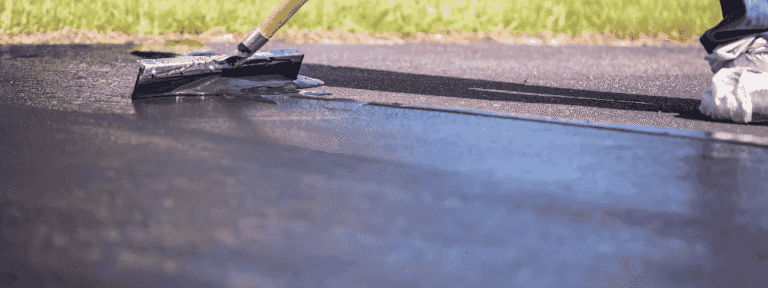
Asphalt maintenance centers on sealcoating. Six months to a year after installation, your asphalt driveway should be sealed, then resealed every 3 to 5 years. In New Jersey’s harsh climate with freeze-thaw cycles, you might lean toward the 2-3 year end of that range. Sealcoating protects against water infiltration, UV damage, and chemical exposure from oil and gas. Many homeowners handle this themselves with materials from a home improvement store, making it a cost-effective maintenance task.
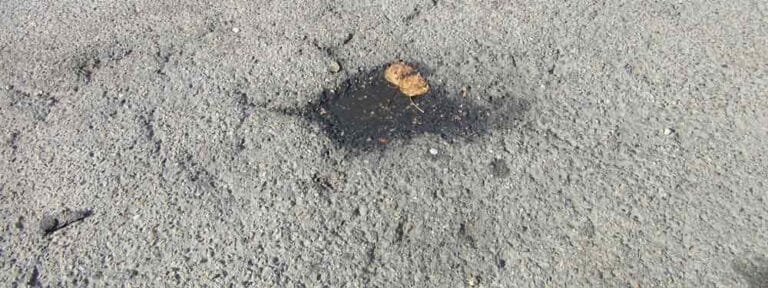
Minor crack repairs in asphalt are also DIY-friendly. Small cracks can be filled with rubberized crack filler, and the repairs blend seamlessly with the existing surface. When damage is more extensive, professional asphalt repairs typically run $250 to $800 per project. The beauty of asphalt is that if your driveway reaches the end of its lifespan but the base is still solid, you can resurface it rather than starting from scratch.
Concrete maintenance is less frequent but more finicky. You’ll want to seal concrete driveways every 5 to 7 years to guard against stains and water penetration. Degreasers are necessary to remove oil and grease stains that concrete’s porous surface readily absorbs. When cracks appear in concrete, repairs are tougher. Matching the existing surface texture and color is nearly impossible, so patched areas remain visible. Concrete repairs cost $3 to $25 per square foot depending on severity, and often require professional help with specialized tools.
The freeze-thaw cycle is particularly brutal on concrete in New Jersey. Water seeps into tiny cracks during the day, then freezes overnight when temperatures drop. Ice expands with incredible force—about 9%—enough to widen hairline cracks into major fissures. This cycle repeats dozens of times each winter, turning minor surface damage into structural problems by spring. Asphalt’s flexibility allows it to expand and contract with temperature changes without the same cracking risk.
Salt is another consideration. Road salt accelerates the freeze-thaw cycle and causes surface erosion over time on concrete. It can pit, stain, or blotch concrete surfaces, leaving ugly marks that are difficult or impossible to remove. Asphalt, being petroleum-based, is unaffected by rock salt. In fact, snow and ice melt more quickly on asphalt’s dark surface, which absorbs sunlight and generates heat.
When you factor in all maintenance over a driveway’s lifetime, concrete’s advantage comes from its durability and lower frequency of care. Asphalt’s advantage comes from ease of repairs and the ability to resurface rather than replace. Your maintenance personality matters here. If you’re the type who stays on top of routine tasks and doesn’t mind sealcoating every few years, asphalt’s maintenance is manageable. If you prefer a more hands-off approach and don’t mind a higher upfront cost, concrete’s lower maintenance demands might appeal to you.
Is a Concrete Driveway Better Than Asphalt
“Better” depends entirely on what you’re optimizing for. Concrete wins on raw durability and compressive strength. Asphalt wins on climate suitability and repair simplicity. Neither is universally superior—they’re designed for different priorities and conditions.
Concrete can withstand 6,000 pounds per square inch of pressure, double that of asphalt. If you frequently park heavy vehicles like trucks, RVs, or equipment, concrete’s structural strength is an advantage. It also lasts longer—30 to 40+ years with proper maintenance compared to asphalt’s 15 to 30 years. Concrete reflects heat rather than absorbing it, staying cooler in extreme temperatures and never becoming tacky or soft like asphalt can in high heat.
But in New Jersey’s climate, concrete’s rigidity becomes a liability. Freeze-thaw cycles cause concrete to crack, heave, and buckle. The constant expansion and contraction of freezing water creates stress that rigid concrete can’t accommodate. Asphalt’s flexibility allows it to move with temperature changes without fracturing. That’s why asphalt consistently outperforms concrete in cold climates with harsh winters.
How New Jersey’s Climate Affects Driveway Performance
Hunterdon County sits in a weather pattern that’s especially tough on driveways. Winters bring multiple freeze-thaw cycles rather than sustained cold temperatures. December through February delivers the most damaging conditions—temperatures hover around freezing, creating constant melting and refreezing. Snow melts during sunny afternoons, then turns to ice overnight. This pattern repeats weekly, sometimes daily.
The freeze-thaw cycle sounds simple, but its effects compound rapidly. When water seeps into tiny cracks in your driveway and then freezes, it expands. That expansion pushes the pavement outward, generating thousands of pounds of pressure per square inch. When it thaws, the space contracts again. Over time, this constant stress causes concrete to crack, crumble, and develop those annoying sinkholes or divots.
Asphalt handles this stress differently. Its petroleum-based composition gives it flexibility that concrete lacks. When temperatures drop and water freezes, asphalt can expand slightly without fracturing. When things warm up, it contracts back. This flexibility is why asphalt is consistently recommended for northern driveways and areas with significant freeze-thaw activity.
Morris and Warren Counties, which border Hunterdon, have clay-heavy soils that retain moisture longer than sandy soils. This creates prolonged freeze-thaw stress on driveway foundations. Hunterdon County’s rolling topography adds another layer of complexity—proper drainage becomes critical to prevent water from pooling on or under your driveway. Standing water is a fast track to surface damage for asphalt and can compromise the base layer for concrete, leading to sinking or cracking.
Local soil conditions, drainage patterns, and elevation changes all affect how your driveway performs and fails. We understand these factors and adjust our techniques accordingly. We know where drainage challenges are likely to appear, how to grade properly for local conditions, and which base preparations work best in the area’s specific soil types.
Summer heat compounds the problem for both materials. UV rays and high temperatures make asphalt brittle and more susceptible to cracking if not properly maintained with sealcoating. Concrete can develop surface scaling and spalling when exposed to repeated wet-dry cycles combined with salt exposure. The combination of harsh winters and hot summers creates year-round stress that both materials have to withstand.
The dark color of asphalt actually provides a practical winter advantage. It absorbs sunlight and melts snow and ice faster than concrete’s lighter surface. This reduces the need for extensive winter maintenance and decreases slip hazards. It also means less salt application, which is better for both your driveway and the environment.
Installation Timeline and Disruption to Your Daily Life
When you’re installing a new driveway, the timeline affects everything from parking arrangements to when you can have visitors over. Asphalt and concrete differ significantly in how quickly they’re installed and how soon you can use them.
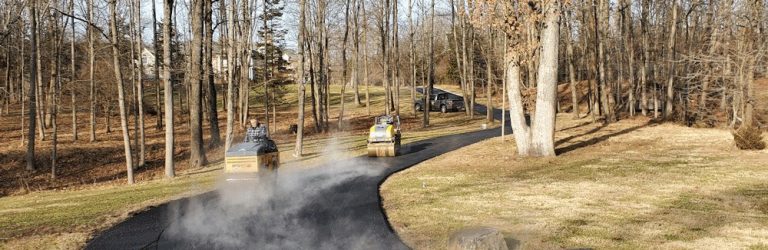
Asphalt installation moves fast. For a typical residential driveway, the actual paving can be completed in one to two days, depending on size and site preparation requirements. The material cures quickly—you can walk on a freshly laid asphalt driveway immediately, and you’ll only need to wait 2 to 3 days before driving on it. We recommend waiting at least two weeks before parking heavy vehicles to allow the surface to fully cure and achieve maximum strength. In desert or tropical climates, you might need to wait a bit longer due to heat.
Concrete takes more time. The typical residential concrete driveway takes one to three days to pour and finish, not including curing time. But here’s the catch: concrete needs to cure for seven days before it can withstand the weight of a vehicle. That’s a full week where you can’t use your driveway. For households with multiple vehicles, limited street parking, or frequent visitors, that week can be genuinely disruptive.
The installation window matters too. Asphalt is temperature-sensitive and must be laid when ground temperature is 50°F and rising. In New Jersey, this limits the paving window to roughly May through October. Concrete has a wider installation window but still requires temperatures above freezing and dry conditions for proper curing. If you’re planning a driveway project, timing it during the optimal season ensures better results and longevity.
Site preparation is identical for both materials and typically takes the same amount of time. The existing driveway or topsoil needs to be removed. The ground must be graded for proper drainage and compacted to create a stable base. A layer of crushed stone or gravel gets installed and compacted—this is the foundation that determines your driveway’s long-term performance. Skipping proper base preparation is where contractors save time and money at your expense, leading to problems within a few years.
Disruption also includes noise, equipment, and crew presence. Both asphalt and concrete installation involve heavy machinery—excavators, compactors, pavers, and delivery trucks. Expect noise and activity during installation. Asphalt’s faster curing time means the disruption period is shorter overall. Concrete’s longer curing time means equipment and barriers stay in place longer, and you’ll need alternative parking arrangements for that full week.
If you’re replacing an existing driveway, removal adds time to the project. Asphalt removal and disposal typically take a day. Concrete removal can take longer, especially if the slab is thick or reinforced with rebar. However, if your existing asphalt base is sound, you might be able to resurface or overlay instead, cutting both time and cost. Concrete doesn’t offer this option—when it fails, full replacement is necessary.
For homeowners with busy schedules or limited parking options, asphalt’s quick turnaround is a practical advantage. For those who can plan around a week-long disruption and want the longest-lasting surface, concrete’s extended cure time is a worthwhile trade-off.
Which Driveway Material Makes Sense for Your Property
The choice between asphalt and concrete isn’t about which material is universally better. It’s about which one aligns with your priorities, budget, timeline, and how long you plan to stay in your home.
Asphalt makes sense if you’re working with a tighter budget, need your driveway usable quickly, live in an area with harsh winters, or plan to stay in your home for 10-20 years. It’s also the right call if you don’t mind routine maintenance and want the flexibility to resurface rather than replace when the time comes. In Hunterdon County’s freeze-thaw climate, asphalt’s flexibility consistently outperforms concrete’s rigidity.
Concrete makes sense if you’re planning to stay 20+ years, want the lowest possible maintenance, prefer a lighter-colored surface that stays cooler, or need maximum load-bearing capacity for heavy vehicles. Just understand that repairs will be more visible and expensive, and New Jersey winters will test concrete’s durability.
If you’re still weighing your options and want guidance specific to your property’s drainage, soil conditions, and layout, we bring 75 years of family expertise to Hunterdon County. We’ll walk you through what makes sense for your situation—no pressure, just honest advice from people who’ve been doing this since 1948.