
Sub Base Stabilization Hunterdon County

Fix Failing Pavement From the Ground Up

When soft spots keep coming back and patches don’t hold, the problem isn’t your asphalt—it’s what’s underneath. Sub base stabilization strengthens the foundation so your pavement actually lasts.

Family Expertise Since 1948

Decades of hands-on knowledge mean we've seen every soil condition and know exactly how to fix it right.

Owner Present Every Project

You're not handed off to a crew. The owner stays on-site to ensure quality control and personal accountability.

Full Attention One Job

We don't juggle multiple sites. Your project gets our complete focus until it's done to our standards.

Proven Five Star Results

Our Angie's List reviews and repeat customers prove we deliver work that holds up year after year.

Residential & Commercial Asphalt Paving Paving Edison

Asphalt Foundation Repair Services

What Sub Base Stabilization Actually Does

Your asphalt is only as strong as what’s holding it up. Sub base stabilization treats the soil and aggregate layers beneath your pavement to create a solid, stable foundation that won’t shift, settle, or give way under weight. Most pavement problems don’t start at the surface. They start in the base layer where water seeps in, soil compacts unevenly, or the ground was never prepared correctly in the first place. We fix that foundation so the asphalt above it stops cracking, sinking, and failing. This service matters if you’ve noticed soft spots that won’t harden, sections that dip or settle, water that pools in the same places, or cracks that keep coming back no matter how many times you patch them. Those are signs the base has failed.

Soil Stabilization Benefits for Pavement

What You Get When the Foundation Is Fixed

A stable base means your pavement stops reacting to every load, every freeze, and every rainstorm. You get a surface that holds up the way it should have from day one.

Soft spots disappear because the soil beneath your asphalt finally has the strength to support vehicle weight.

Water drains properly instead of pooling in low areas that weaken your pavement and create ice patches.

Cracks stop returning every winter because the base no longer shifts during freeze-thaw cycles.

Your pavement lasts 20 to 30 years instead of needing repairs every few seasons.

You stop wasting money on patches that fail because the root cause is finally addressed.

Heavy vehicles and daily traffic don't create ruts or sinking tire paths in your driveway or lot.

Ready to get started?

Share project details

Call us or get a free online quote to help us identify your project needs.

We'll follow up

If you requested an online quote, you can expect a callback within 24-48 hours of your request.

The floor is yours

Connect with an expert and share all project specifics.

Plan your project

Like what you hear? We'll provide next steps and expert guidance.
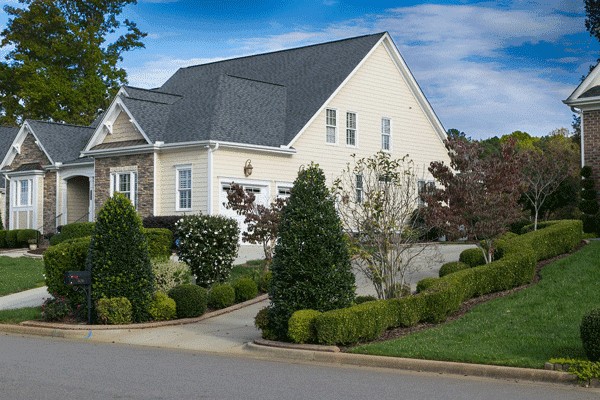
Driveway Upgrades That Add Curb Appeal to Your Home

Soft Spot Repair Process

Why Patching Alone Never Works

You’ve probably noticed the pattern. A soft spot appears. You patch it. It sinks again. You patch it again. The cycle repeats because the patch is sitting on the same weak foundation that caused the problem in the first place. Soft spots happen when the soil or aggregate base beneath your asphalt can’t handle the load. Maybe the ground was never compacted properly. Maybe water got in and turned the base into mush. Maybe there’s organic material decomposing underneath. Whatever the cause, the base layer has lost its ability to support weight. When we stabilize a sub base, we’re not covering up the problem. We remove the failed material, treat or replace the weak soil, add properly graded aggregate, and compact everything to the density it needs to hold up long-term. Only then does new asphalt go down. That’s how you get a repair that actually sticks.

Base Aggregate Pavement Solutions

What Happens During Sub Base Stabilization

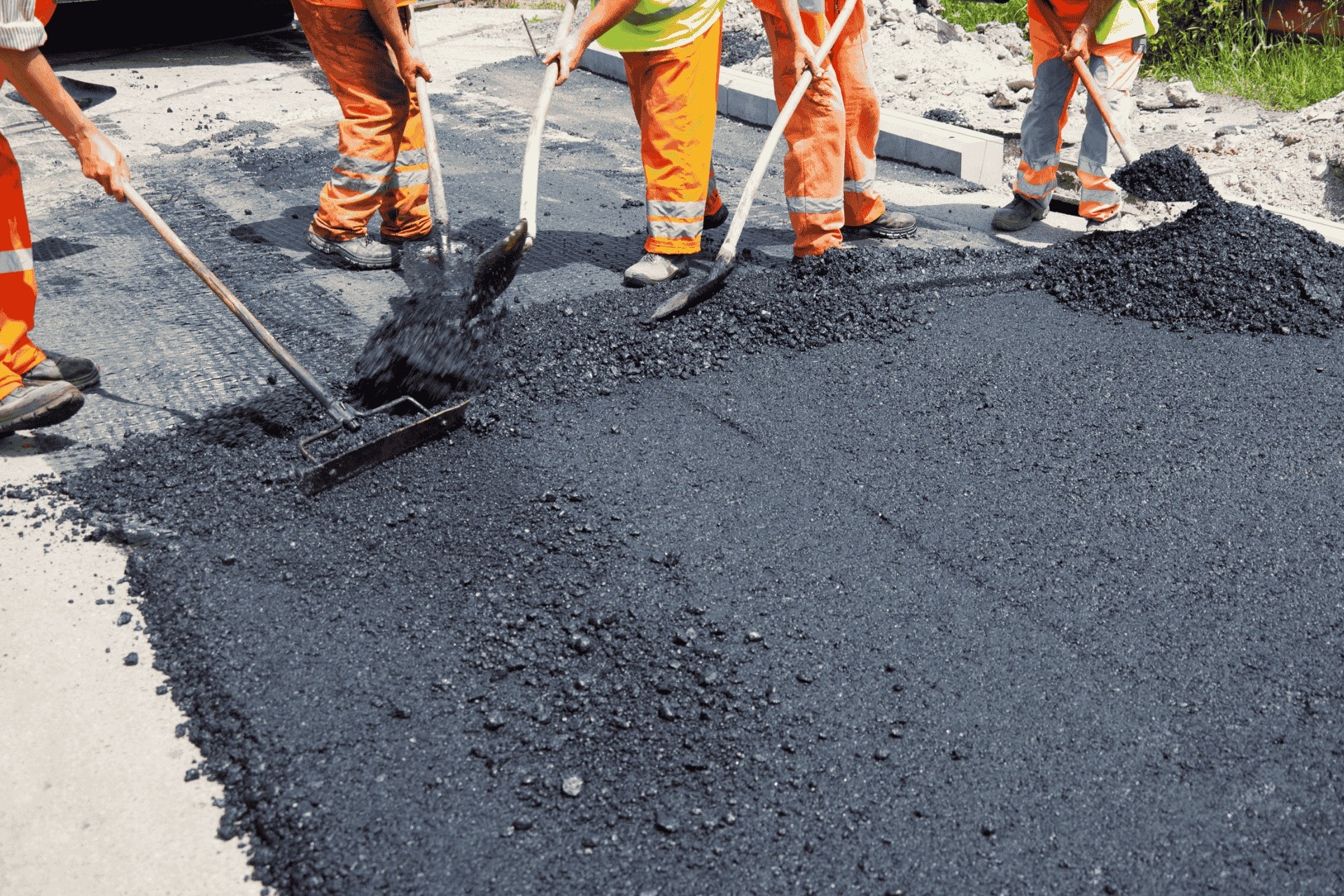
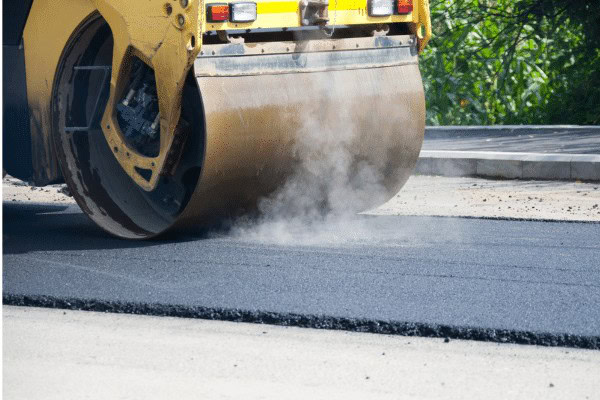
First, we figure out why your base failed. We inspect the area, check drainage, and look at soil conditions. If there’s standing water, poor compaction, or unsuitable soil, we know what we’re dealing with. Next, we remove the damaged asphalt and excavate down to stable material. Depending on what we find, we might treat the existing soil with stabilizing agents, replace it with engineered fill, or add a layer of properly graded aggregate that drains well and compacts tight. Then comes compaction. This step matters more than most people realize. Loose base material will settle under traffic no matter how good your asphalt is. We use the right equipment to achieve the density the base needs to distribute loads without shifting. After that, we install new asphalt over a foundation that’s actually ready to support it. The result is pavement that performs the way you expected it to in the first place.
Expert asphalt paving for beautiful residential driveways and walkways.

Site Evaluation and Testing

We inspect your pavement, test soil conditions, and identify exactly where and why the base has failed.

Excavation and Base Preparation

Failed material is removed, weak soil is treated or replaced, and proper aggregate base is installed and compacted.

Asphalt Installation Over Stable Base

New asphalt is placed over a foundation engineered to handle your property's specific loads and drainage needs.