Can You Widen an Existing Driveway? What to Know
1. Understanding Driveway Widening Basics
Are you considering widening your driveway to accommodate more vehicles, provide easier access, or simply add some extra space for storage or landscaping? A driveway expansion can be a great way to enhance the functionality, value, and curb appeal of your home, whether you have a new family member to park for or find your current driveway too cramped or impractical.
One of the most common questions homeowners have when it comes to this project is whether they can widen an asphalt driveway or if they need to start from scratch. The good news is that, in most cases, asphalt driveways can be widened without removing the entire existing surface.
However, it’s not as simple as just pouring more asphalt next to the old one. There are some important considerations and steps involved in this process, such as grading, blending, and meeting local codes and regulations. That’s why it’s best to work with a professional contractor who has the experience and equipment to do the job right.
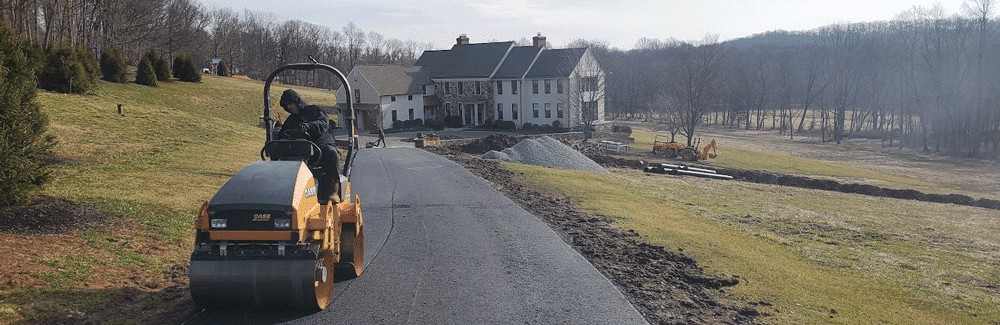
The first step in widening your asphalt driveway is a site evaluation, where the contractor will inspect the existing condition of your driveway, the adjacent terrain, and the feasibility of the expansion project. If the current base is solid and the asphalt is in good shape, the contractor can proceed with widening the driveway by adding more base material and asphalt to the desired width.
2. Permits, Regulations, and Planning Considerations
Zoning regulations and local municipal codes may also affect your ability to widen a driveway. Most towns and counties require a permit for this type of work, especially if you plan to alter the width of the driveway, change the grade, or increase the total surface area of impervious coverage on your lot. Attempting to widen your driveway without the proper permits could result in fines or the forced removal of the new section.
Property boundaries can also be a concern when expanding your driveway. Make sure you are not encroaching on any public right-of-way or neighbor’s property line. You may need to have your lot surveyed to confirm boundaries before beginning construction. Your contractor should also be familiar with local regulations for your area, and the permitting process can likely help you with this task.
In addition to legal requirements, consider the layout and purpose of your expansion. Are you looking to gain more parking space, a pull-off area, or a wider turning radius? Please be sure to communicate your needs clearly with the contractor so they can design a layout that best fits your needs and makes the most of your space.
3. Materials, Sub-Base, and Drainage
Driveway widening begins the same way as a new driveway installation. The sub-base under where the new extension goes should be excavated and filled with a compacted base of stone or gravel, and then appropriately graded to support the asphalt while minimizing shifting, sinking, or cracking over time.
Matching the finish of the existing driveway surface in terms of depth and texture is not just cosmetic. It also helps with performance by making the transition between the original surface and new surface less susceptible to deterioration. It’s normal for the new asphalt to be a slightly different color than the existing asphalt, at least initially, and this contrast should even out over time with exposure to the sun and the elements. Sealcoating is also a great way to even out appearance differences between old and new asphalt.
Don’t forget about drainage when you’re widening your driveway. This aspect is just as crucial in maintaining the condition of your existing driveway as it is in the installation of a new one. Altering the amount of surface area affects the way water flows across your property. Slope, grading, and even the installation of trench drains or swales can help keep water from pooling on the surface of your driveway or from eroding the ground underneath it. Directing water away from your home is essential to prevent it from being absorbed by the foundation or freezing and expanding and damaging the driveway from below.
4. Cost, Maintenance, and Long-Term Value
Expanding a driveway is generally cheaper than a complete replacement. Costs can fluctuate based on material types, labor, grading requirements, and additional features like edging or drainage solutions. On average, homeowners can expect to pay between $10 and $20 per square foot for an asphalt driveway expansion, but prices may increase with complexity.
Routine maintenance will preserve your newly expanded driveway post-installation. Services like crack sealing, patching, and sealcoating help protect your driveway from moisture, UV exposure, and general wear. In regions with freeze-thaw cycles, such as New Jersey and Pennsylvania, maintenance is even more crucial to prevent costly damage.
The value-added aspect of a wider driveway is also important. A wider driveway has numerous practical benefits, such as more parking space, easier snow removal, and improved safety. A more expansive driveway can also significantly enhance curb appeal and potentially increase the home’s market value, especially in neighborhoods with limited parking availability or restricted street access.
5. When to Widen vs. Replace and Choosing a Contractor
Widening is an excellent option in many situations, but not always. If your current driveway is in poor condition with extensive cracking, sinking areas, or improper installation, the better solution may be to fully replace it. While this costs more upfront, it can save you money and headaches in the long term by giving you a consistent, single surface rather than patchwork.
Finding the right contractor for the job is also important. Not every paving company specializes in new construction and extensions, so make sure to find one with the necessary expertise to handle your project. They should also provide a thorough and accurate estimate, help you with local permitting, and be able to explain how the new addition will connect with your current driveway.
Productive Asphalt is a residential paving contractor that specializes in driveway widening in New Jersey and Eastern Pennsylvania. With over 24 years of combined experience, owner on-site supervision, and a commitment to high-quality work from beginning to end, we offer the expertise and knowledge you can trust. Give us a call today for a free consultation and learn how we can widen your driveway to accommodate your needs with long-lasting results.