How to Choose the Best Driveway Paving Style for Modern Curb Appeal
Your driveway is the first thing people see. Before they notice your landscaping, your front door, or anything else, they see that stretch of pavement leading to your home. If it’s cracked, faded, or just plain boring, it sets the wrong tone. But if it’s clean, modern, and thoughtfully designed, it makes everything else look better.
Choosing the right driveway paving style isn’t about following trends. It’s about understanding what works for your home’s architecture, your local climate, and how you actually use the space. You want something that looks sharp now and holds up for years without turning into a maintenance nightmare. Let’s talk about how to get there.
Why Your Driveway Paving Style Matters More Than You Think
A driveway isn’t just a place to park. It’s one of the largest visual features of your property, and it directly impacts how your home is perceived. Studies show that exterior features, including driveways, can contribute anywhere from 5% to 11% of your home’s resale value.
But beyond the numbers, there’s the daily reality. A well-designed driveway makes your home feel finished. It creates flow from the street to your entrance and ties together your landscaping and architecture. When done right, it quietly elevates everything around it. When done wrong, it becomes the thing you apologize for or avoid looking at.
The right paving style also handles the practical stuff—drainage, durability, and maintenance. In areas like Hunterdon County, NJ, Bucks County, PA, and Mercer County, NJ, where freeze-thaw cycles and seasonal storms are the norm, your driveway needs to do more than look good. It needs to perform.
How Driveway Materials Impact Curb Appeal and Longevity
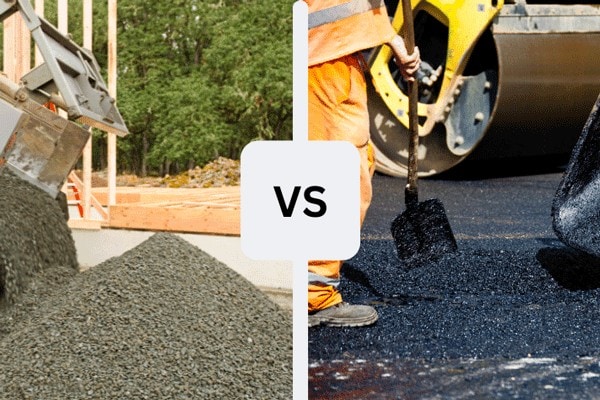
The material you choose sets the foundation for everything else. Asphalt, concrete, pavers, and permeable options all bring different strengths to the table, and each one creates a distinct look.
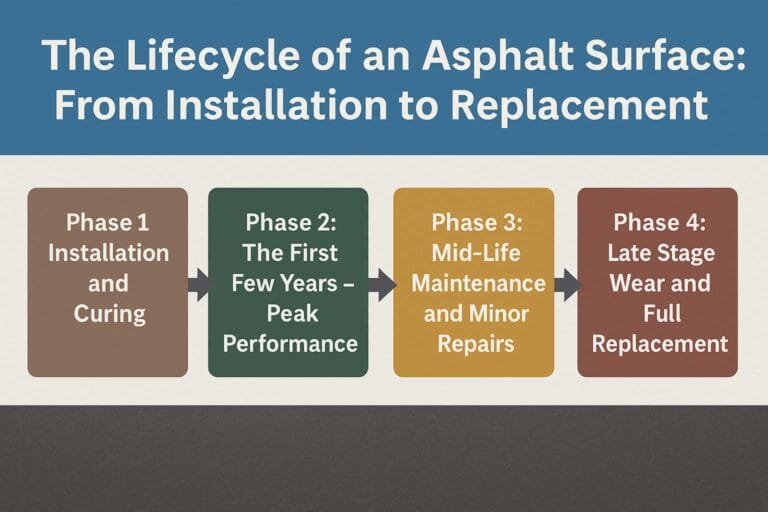
Residential asphalt is the most common choice in the Mid-Atlantic region for good reason. It’s cost-effective, typically running between $3 and $6.50 per square foot installed. It handles temperature swings better than concrete because it’s flexible, which means it’s less prone to cracking during harsh winters. Asphalt can be installed in one to two days and is ready to use within 24 to 72 hours, depending on weather. The dark surface also helps snow and ice melt faster, which matters when you’re dealing with January in New Jersey.
But asphalt doesn’t have to look basic. Decorative borders made from pavers, brick, or Belgian block can transform a standard driveway into something custom. A two- or three-course paver border in a contrasting color adds definition and frames the space. It also protects the edges of the asphalt from crumbling by containing the gravel base underneath, which prevents costly repairs down the line.
Concrete offers a longer lifespan if properly maintained, but it takes up to four weeks to fully cure before you can park on it. It’s also more prone to cracking in freeze-thaw climates unless you invest in reinforcement and proper installation. Stamped or stained concrete can mimic the look of brick or stone, but it comes at a higher price point.
Pavers—whether brick, cobblestone, or interlocking concrete—deliver high-end curb appeal and flexibility. They’re twice as strong as poured concrete and can handle heavy traffic without cracking. If a section gets stained or damaged, you can replace individual pavers instead of patching the whole surface. The downside is cost. Pavers typically run between $10 and $60 per square foot, depending on the material and pattern. They also require skilled installation to ensure proper base preparation and drainage.
Permeable paving has gained serious traction in recent years, especially for homeowners dealing with drainage issues or looking for eco-friendly options. Permeable pavers, porous asphalt, or grid systems allow water to pass through the surface and into the ground, reducing runoff and preventing pooling. This is particularly useful in areas with heavy rainfall or properties where water tends to collect near the foundation. Permeable driveways also help meet local stormwater management regulations in some municipalities.
Each material works differently depending on your home’s style, your budget, and how much maintenance you’re willing to take on. Asphalt needs sealcoating every two to three years to stay protected. Pavers require occasional joint sand replenishment and weed control. Concrete may need sealing and crack repair. Understanding these trade-offs upfront helps you make a decision you won’t second-guess later.
Popular Driveway Patterns and Layouts for Modern Homes
Pattern and layout shape how your driveway feels and functions. Straight driveways are efficient and work well for smaller properties, but they can feel plain without some visual interest. Curved or ribbon driveways create a more inviting approach, especially for homes set back from the street. They guide the eye and add a sense of flow that straight lines don’t always deliver.
For homes with modern or contemporary architecture, clean lines and geometric patterns work best. Large-format pavers in gray or charcoal tones create a sleek, minimalist look with fewer seams. Linear patterns emphasize structure and pair well with flat-roofed or mid-century modern homes. If you’re using concrete, consider wide slabs separated by strips of grass or gravel. This creates contrast and softens the hardscape without sacrificing durability.
Traditional homes benefit from classic patterns like herringbone, basketweave, or running bond. Herringbone, where rectangular pavers are laid at 45- or 90-degree angles, creates a zigzag effect that adds movement and visual texture. It’s also one of the strongest interlocking patterns, making it ideal for driveways that see heavy use. Basketweave alternates pairs of pavers to create a woven look, while running bond mimics the appearance of a brick wall laid horizontally.
Decorative aprons—the section of driveway at the garage entrance or street—are another way to add personality without redoing the entire surface. You can use a different material or pattern for the apron while keeping the main driveway in standard asphalt or concrete. Cobblestone pavers, stamped concrete, or brick laid in a soldier course (pavers standing upright) create a defined transition and elevate the overall design.
Borders and edging are often overlooked but make a huge difference. A border frames the driveway and creates a clean separation between the pavement and your lawn or landscaping. Brick, stone, or concrete curbing prevents grass from creeping onto the driveway and protects the edges from erosion. Metal or plastic edging strips are less visible but equally effective for containing materials and preventing shifting.
Circular driveways are a statement. They work best for larger properties and create a grand entrance with room for multiple vehicles. The center of a circular driveway can feature a planter, fountain, or sculpture, turning the space into a focal point. Circular layouts also improve traffic flow, making it easier for guests to enter and exit without backing out.
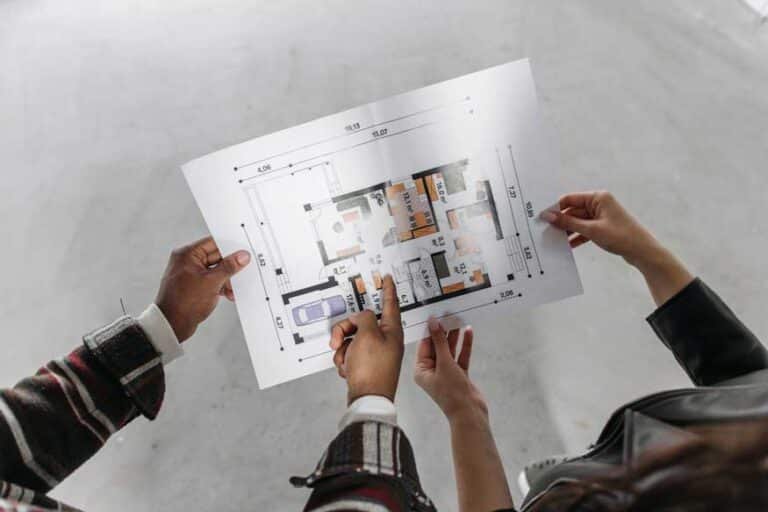
The layout you choose should work with your property’s topography and your home’s architectural style. A modern home with sharp angles and clean lines calls for something different than a farmhouse with traditional siding and shutters. The goal is cohesion—your driveway should feel like it belongs, not like an afterthought.
What Makes Entrance Aesthetics Work for Your Property
Entrance aesthetics go beyond the driveway itself. It’s about how the driveway interacts with your landscaping, lighting, and the overall approach to your home. A well-designed entrance creates a sense of arrival and makes your property feel intentional.
Lighting plays a bigger role than most people realize. Integrated LED lights along the edges of your driveway or embedded into pavers provide safety and highlight the design after dark. Low-voltage path lights, solar fixtures, or even smart lighting systems controlled by your phone can transform your driveway into a feature that works day and night.
Landscaping softens hard surfaces and adds color. Low-growing shrubs, ornamental grasses, or perennial flowers along the edges of your driveway create a natural transition from pavement to lawn. Evergreens provide year-round greenery and privacy, while flowering plants add seasonal interest. Just avoid anything that grows too tall or requires constant trimming near gates or tight spaces.
How Decorative Borders Elevate a Standard Asphalt Driveway
If you’re working with an existing asphalt driveway or want to keep costs down, decorative borders are one of the smartest upgrades you can make. A border doesn’t require tearing out the entire surface, but it dramatically changes the look.
A two-, three-, or four-course paver border in a contrasting color—like charcoal pavers against black asphalt, or warm brick tones against dark pavement—creates instant definition. It frames the driveway and draws the eye toward your home’s entrance. The border also serves a functional purpose by containing the gravel base beneath the asphalt, which prevents the edges from crumbling over time.
Installation involves cutting the edges of the existing asphalt to create a clean line, excavating a trench, and setting the pavers on a compacted gravel base with edge restraints to keep everything locked in place. The process is straightforward but requires precision to ensure the border stays level and doesn’t shift with freeze-thaw cycles or vehicle traffic.
Borders also give you flexibility. You can use materials that match your home’s exterior—brick if you have a brick façade, stone if you have stone accents, or sleek concrete pavers for a modern look. You can extend the border material to your walkways or front steps to create a cohesive design throughout your property.
The cost of adding a decorative border is a fraction of what you’d spend on a full driveway replacement, but the impact on curb appeal is significant. It’s one of those upgrades that makes people assume you redid the whole driveway when you really just framed it better.
Why Permeable Paving Is Gaining Traction in NJ and PA
Permeable paving isn’t just a trend—it’s a practical solution to real problems homeowners face in the Mid-Atlantic region. Heavy rainfall, snowmelt, and stormwater runoff can overwhelm traditional driveways, leading to pooling water, erosion, and foundation issues. Permeable systems address this by allowing water to pass through the surface and into the ground instead of running off into the street or toward your home.
Permeable pavers come in several forms. Interlocking concrete or brick pavers with wider joints allow water to seep between the units. Plastic grid systems filled with grass or gravel create a semi-green driveway that’s strong enough to handle vehicle weight. Porous asphalt and pervious concrete are also options, though they require specific installation techniques to maintain permeability over time.
The environmental benefits are clear. Permeable driveways reduce strain on municipal stormwater systems, filter pollutants before water reaches groundwater supplies, and help prevent flooding. In some areas, they can even qualify for stormwater management credits or incentives from local governments.
From a design perspective, permeable driveways offer surprising versatility. Grass-inlaid grids create a modern, eco-friendly look that blends hardscape with greenery. Permeable pavers come in various colors and patterns, so you’re not sacrificing style for function. The key is proper installation—permeable systems require a well-draining base and regular maintenance to prevent clogging from debris or sediment.
Maintenance is different from traditional driveways but not necessarily harder. You’ll need to keep the surface clear of leaves and dirt, and occasional power washing or vacuuming helps maintain permeability. But you won’t deal with the same cracking, sealing, or patching issues that come with solid surfaces.
For properties with drainage challenges, sloped driveways, or environmentally conscious homeowners, permeable paving makes sense. It solves a problem while enhancing curb appeal, which is exactly what a smart driveway upgrade should do.
Making the Right Driveway Paving Choice for Your Home
Choosing the best driveway paving style comes down to understanding what matters most for your property. You need something that fits your home’s architecture, handles your local climate, and delivers the curb appeal you’re after without turning into a maintenance burden.
Start by evaluating your priorities. If cost and quick installation matter most, residential asphalt with decorative borders offers the best balance. If you want high-end aesthetics and don’t mind a larger investment, pavers give you endless design options. If drainage is an ongoing issue, permeable paving solves the problem while looking modern and intentional.
Work with a contractor who takes the time to understand your property’s unique needs and offers custom solutions instead of cookie-cutter approaches. At Productive Asphalt LLC, we assess your grading, drainage, and existing conditions before recommending a design. We walk you through material options, maintenance requirements, and realistic timelines so you know exactly what to expect.
Your driveway is an investment in your home’s appearance, function, and value. When it’s done right, it’s something you’re proud of every time you pull in. If you’re ready to explore your options and find a paving style that works for your property, we bring decades of experience and a personalized approach to every project.