Understanding Asphalt Paving Thickness: Why It Matters for Longevity
All asphalt paving is not created equal. The thickness of your driveway or parking lot is one of the key determinants of how your asphalt surface will perform. With the right asphalt paving thickness, you can have a smooth driving or parking surface that will last for decades. Conversely, if the asphalt paving on your property is too thin, it can crack and crumble after a few seasons of use. In this post, we will discuss the importance of asphalt paving thickness and help you understand what to expect.
Why Asphalt Thickness Is Important
The thickness of an asphalt layer determines its ability to withstand traffic loads, resist weather damage, and last for years without major repairs. If the asphalt is too thin, the surface will be more prone to cracking, potholes, and crumbling under the weight of vehicles. If the asphalt is too thick, you may be overpaying for unnecessary materials that offer little additional durability.
A standard thickness for residential driveways is typically 2 to 3 inches of compacted asphalt. Commercial parking lots and high-traffic areas may require 4 to 6 inches or more of thickness, depending on usage. The correct thickness provides a solid foundation that supports vehicles, evenly distributes weight, and resists surface damage.
How Asphalt Thickness Is Determined
Determining the appropriate thickness for an asphalt surface depends on various factors such as:
Type of Use: Residential driveways with only passenger vehicles don’t need to be as thick as commercial parking lots that support delivery trucks or heavy equipment.
Subgrade Condition: If the soil or sub-base beneath the asphalt is unstable or shifting, extra layers may be needed for added structural support.
Climate Considerations: In areas like New Jersey and Pennsylvania with freeze-thaw cycles, a thicker layer helps prevent cracking and water infiltration.
Drainage Needs: Proper grading and asphalt thickness work in tandem to allow water to flow away from the surface without pooling or erosion.
Residential vs. Commercial Asphalt Thickness
Your paving needs will differ depending on what you are paving and where you are paving it. Here are some common scenarios and recommendations for each:
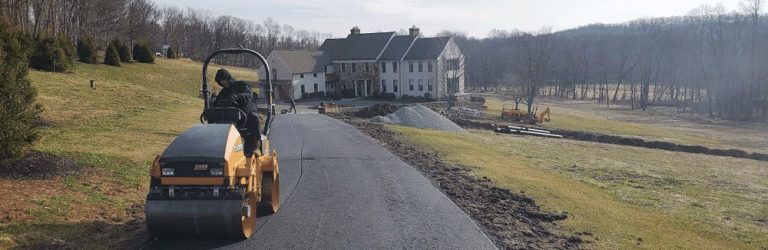
Residential Driveways: For a typical single-family residential driveway, 2 to 3 inches of asphalt laid over a compacted 4 to 6-inch gravel base will provide good durability and weather resistance for typical passenger vehicles.
Commercial Parking Lots: A commercial parking lot will see heavier traffic and may need a thicker surface. Most commercial parking lots will need 4 to 6 inches of asphalt over a 6 to 8-inch gravel sub-base. If the lot will see frequent truck traffic, you may need to increase the thickness.
Roadways and High-Traffic Areas: Public roads, industrial lots, and other high-traffic areas will often use 6 to 8 inches of asphalt or more to accommodate the heavy loads and constant use.
Consequences of Improper Asphalt Thickness
Cutting corners on asphalt thickness may save money upfront but will lead to expensive repairs down the road. Here’s a more detailed look at what can happen when an asphalt surface is too thin:
Cracking and Potholes: A surface that is too thin will eventually not be able to handle the weight of traffic over time. As a result, stress cracks and potholes can occur.
Water Penetration: Asphalt that is too thin is also more vulnerable to water penetration, which can cause damage over time from freeze-thaw cycles.
Uneven Settling: Thin asphalt is more likely to shift or settle unevenly, leading to dips or low spots in the surface.
Shortened Lifespan: Properly installed asphalt is expected to last for 15–20 years with regular maintenance and should not need more than resurfacing. A thin asphalt layer may require replacement or resurfacing in half that time.
It is important to make sure that your asphalt is installed correctly to avoid these issues down the road. That’s why it is so important to hire a reputable contractor who is familiar with local climate and soil conditions and who follows best practices for asphalt installation.n.
How to Ensure Proper Asphalt Thickness
Productive Asphalt ensures proper thickness of asphalt surfaces by starting with a professional assessment of the project site. This includes soil testing for stability, evaluating drainage requirements, and estimating the traffic load that the surface will endure. With this information in hand, we design a paving solution tailored to the specific conditions, maximizing longevity and performance.
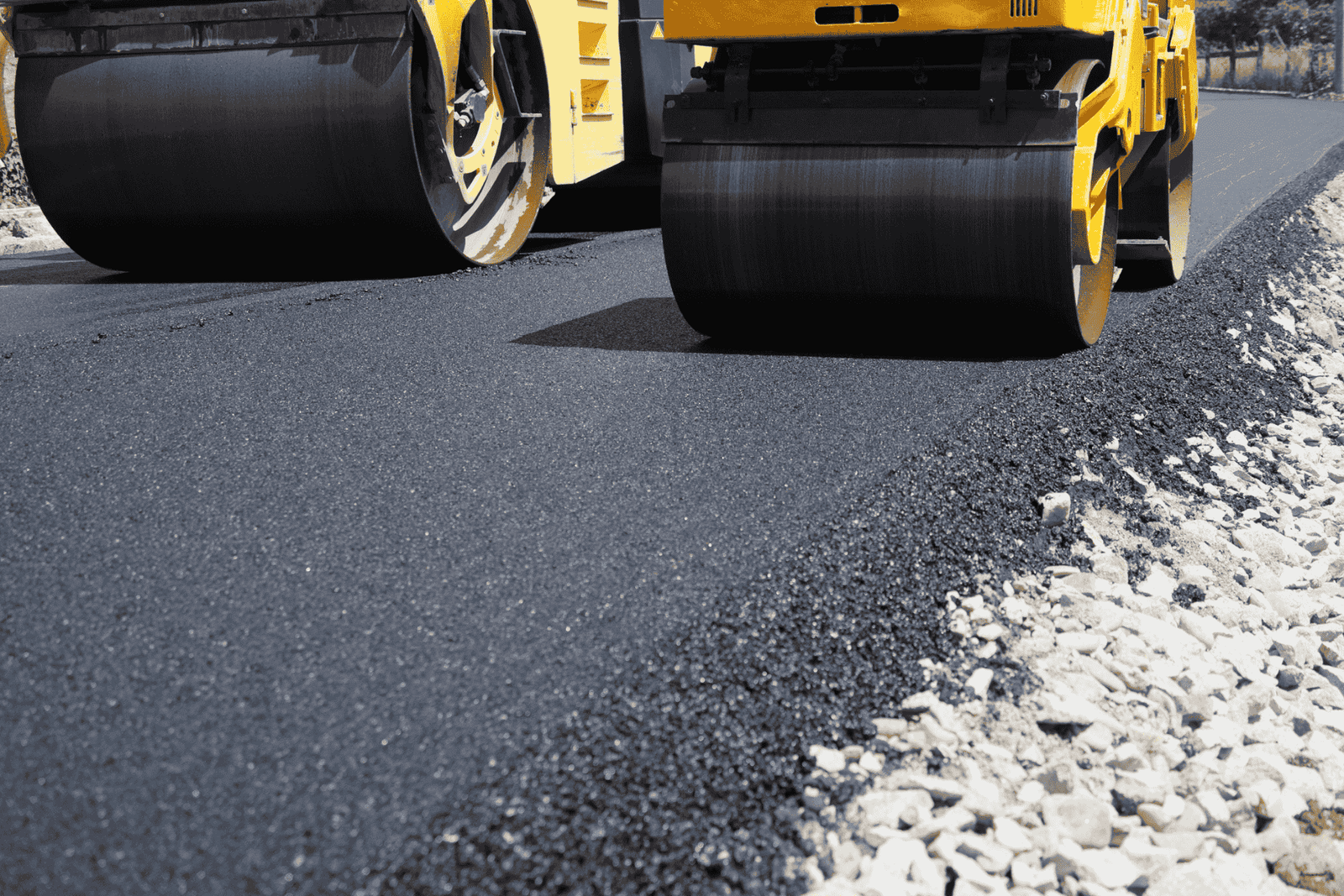
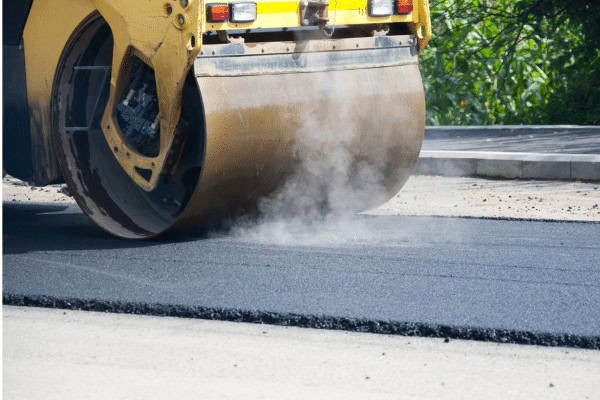
The paving process itself adheres to standard specifications for compaction and layering. Each layer of asphalt is compacted to the required density, reducing air voids and increasing durability. We also check for proper grading to direct water runoff and avoid standing water or erosion.
Conclusion: Investing in Quality Paving for Long-Term Durability
The thickness of your asphalt paving can make or break the performance of your parking lot or driveway. As such, you must invest in the correct amount from the get-go. You can avoid further expenses later on down the line, including possible repair costs. Your curb appeal is just as important as the structure’s ability to handle the ongoing traffic.
You can count on us at Productive Asphalt to use the best installation practices possible. When you hire us, you are receiving an asphalt driveway or parking lot that is here to stay. We offer free consultations for both new projects and if you need repair work down the road. Give us a call to start the conversation today?