
How Our Asphalt Company Uses Eco-Friendly Materials for Longer-Lasting Surfaces
You’re researching asphalt options because you want a surface that actually lasts. Not one that cracks in three years or develops drainage problems the first winter. The challenge is that most contractors talk about quality without explaining what makes one asphalt job hold up better than another.
The answer often comes down to materials. Specifically, whether your asphalt company uses sustainable, proven materials that have been engineered to handle stress, weather, and time—or if they’re cutting corners with whatever’s cheapest that week. Here’s what you need to know about eco-friendly asphalt materials and why they’re not just better for the environment, but often better for your property.
What Makes Asphalt Eco-Friendly and More Durable
Eco-friendly asphalt isn’t a gimmick. It’s a category of paving materials and methods designed to reduce waste, conserve resources, and create surfaces that last longer with less maintenance.
The two most common sustainable materials are recycled asphalt pavement (RAP) and porous pavement systems. RAP is made from old roads and parking lots that get milled up, crushed, and reprocessed instead of ending up in landfills. Porous pavement allows water to drain through the surface rather than pooling on top, which prevents the freeze-thaw damage that destroys traditional asphalt.
What makes these materials more durable isn’t just their composition. It’s that they’re engineered specifically to handle the stresses that cause premature failure—water infiltration, temperature swings, and heavy loads.
How Recycled Asphalt Pavement (RAP) Works
Recycled asphalt pavement starts with existing asphalt that’s been removed from roads, driveways, or parking lots. That old material gets crushed and screened to create high-quality aggregate that’s already coated with durable asphalt cement. Then it’s mixed with new asphalt binder and additives to meet modern performance standards.
Nearly 100 percent of RAP generated in the United States gets reused each year, making it one of the most successfully recycled materials in the country. That’s not just good for the environment—it’s proof that the material works.
When installed properly, RAP delivers the same strength and flexibility as virgin asphalt. In many cases, it actually performs better because the aged binder in recycled material has already gone through its initial curing process. This means it’s less prone to the early-stage shrinkage and cracking that can happen with brand-new asphalt.
The durability comes from how RAP is processed. The aggregates are well-graded and properly sized, which creates a tight bond when compacted. This density is what prevents water from seeping into the base layer, where it can cause the structural damage that leads to potholes and alligator cracking.
For property owners in Hunterdon County, NJ, Bucks County, PA, and Mercer County, NJ, RAP offers another advantage: it’s engineered to handle freeze-thaw cycles. When water gets into cracks and freezes, it expands and breaks apart the pavement. RAP’s tight structure and proven binder system resist this kind of damage better than many traditional mixes.
Cost is another factor. Because RAP uses existing materials, it typically costs less than virgin asphalt without sacrificing quality. Those savings get passed to you, which means you’re getting a durable surface for a more reasonable investment.
Porous Pavement for Water Management and Longevity
Water is the number one enemy of asphalt. When it sits on the surface or seeps into cracks, it erodes the base layer and causes the kind of structural failure that requires full replacement instead of simple repairs.
Porous pavement solves this problem by letting water drain straight through the surface into engineered stone layers below. Instead of pooling in low spots or running off into storm drains, the water filters naturally into the ground or gets directed to collection systems.
This isn’t just about preventing puddles. It’s about eliminating the moisture that weakens your pavement’s foundation. When water can’t penetrate the base, you don’t get the freeze-thaw damage, erosion, or soft spots that lead to cracks and potholes.
Porous asphalt is made by reducing the amount of fine materials in the mix, which creates void spaces that allow water to pass through. Pervious concrete works the same way. Permeable pavers use joints filled with small aggregate to create pathways for drainage.
The result is a surface that stays structurally sound longer because it’s not constantly fighting moisture infiltration. In areas like Bucks County, PA and Mercer County, NJ where seasonal weather brings heavy rain and snow, this drainage advantage can add years to your pavement’s lifespan.
There’s also an environmental benefit. Porous pavement reduces stormwater runoff, which means less strain on local drainage systems and less pollution washing into streams and rivers. It filters out contaminants as water passes through the aggregate layers, improving water quality before it reaches groundwater supplies.
Maintenance is straightforward. The pores need to be kept clear of debris, which typically means periodic vacuuming or pressure washing. But compared to the cost of repairing water-damaged traditional asphalt, the maintenance is minimal.
For commercial properties, porous pavement can also reduce the need for expensive stormwater management infrastructure like retention ponds. That’s a cost savings during construction and less maintenance long-term.
Why Sustainable Materials Create Longer-Lasting Surfaces
The reason eco-friendly asphalt materials often outlast traditional options comes down to engineering and incentives. When materials are designed for reuse and sustainability, manufacturers have to prove they perform as well or better than virgin materials. That means more testing, better quality control, and mixes that are optimized for real-world conditions.
Recycled asphalt has to meet the same specifications as new asphalt. In many cases, it exceeds them because the recycling process allows for precise control over aggregate gradation and binder content. There’s no guesswork—the material is tested and verified before it ever gets to your property.
Porous pavement systems are engineered specifically to handle water, which is the main cause of asphalt failure. By designing the material to work with water instead of fighting it, you get a surface that’s inherently more durable in wet climates.
The Role of Proper Installation in Material Performance
Even the best materials fail if they’re not installed correctly. That’s where experience and attention to detail make the difference between a surface that lasts twenty years and one that needs repairs in five.
The foundation is everything. Before any asphalt goes down, the base layer needs to be properly graded, compacted, and stabilized. Soft spots, poor drainage, or inadequate compaction will cause problems no matter what material you use. This is especially true in areas with clay-heavy soils, which are common in Hunterdon County, NJ.
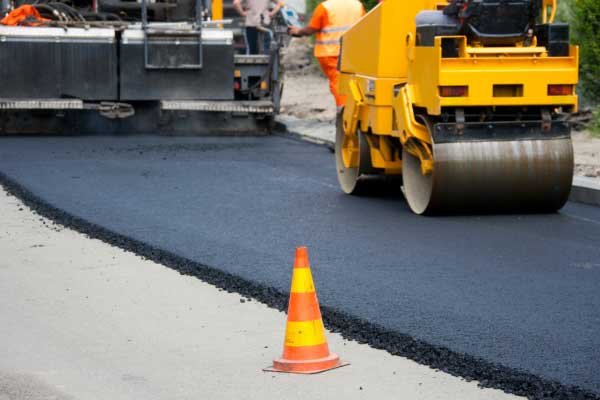
For recycled asphalt, proper compaction is critical. The material needs to be heated to the right temperature, laid at the correct thickness, and compacted with roller trucks to achieve the density that prevents water infiltration. Cutting corners on any of these steps compromises the entire job.
With porous pavement, the installation process is even more precise. The base layers need to be designed to handle the water that’s going to drain through the surface. That means engineered stone reservoirs, proper grading to direct water flow, and careful attention to how the porous layer connects to existing surfaces.
Transitions matter too. Where new asphalt meets old pavement, curbs, or building entrances, joints need to be sealed properly to prevent water from working its way underneath. These details are easy to overlook, but they’re what separate contractors who understand long-term durability from those who just want to finish the job quickly.
At Productive Asphalt, our approach starts with site evaluation. Soil conditions, existing drainage patterns, and traffic loads all get assessed before we create a plan. This prevents the common mistakes that turn straightforward projects into expensive problems.
Our crew focuses on one job at a time, which means your project gets full attention instead of being squeezed between other commitments. That level of focus shows in the finished work—clean lines, proper compaction, and surfaces that drain correctly from day one.
For properties in Bucks County, PA and Mercer County, NJ, this attention to local conditions makes a difference. Freeze-thaw cycles, seasonal rainfall, and soil characteristics all affect how asphalt performs. We understand these factors and adjust our mix designs and installation methods to create surfaces that hold up in your specific climate.
Environmental Impact and Long-Term Cost Savings
Choosing eco-friendly asphalt materials isn’t just about being environmentally responsible. It’s about making a smarter investment that costs less over time.
Recycled asphalt reduces the need for new petroleum-based binder and virgin aggregate, which conserves natural resources and lowers production energy. Less energy means lower emissions during manufacturing, which reduces the overall carbon footprint of your paving project.
Because RAP often costs less than virgin asphalt, you save money upfront. And because properly installed recycled asphalt lasts just as long—or longer—than traditional materials, you’re not spending on premature repairs or replacement.
Porous pavement delivers similar long-term savings. By preventing water damage, you avoid the costly repairs that come from base failure, alligator cracking, and pothole formation. The maintenance costs are lower because you’re not constantly patching and resurfacing areas where water has caused structural problems.
There’s also the potential for reduced stormwater management costs. Properties that use porous pavement may need smaller or fewer retention systems, which saves money during construction and reduces ongoing maintenance expenses.
For commercial properties in Hunterdon County, NJ and surrounding areas, these savings add up quickly. A parking lot that lasts twenty-five years instead of fifteen means fewer disruptions to your business, lower long-term costs, and a better return on your paving investment.
The environmental benefits extend beyond just recycling materials. Porous pavement helps recharge local groundwater supplies, reduces strain on municipal stormwater systems, and filters out pollutants before they reach streams and rivers. These aren’t abstract benefits—they’re measurable improvements that affect your community.
Asphalt itself is 100 percent recyclable and gets reused at a higher rate than any other material in America. When your driveway or parking lot eventually needs replacement, that old asphalt doesn’t go to a landfill. It gets milled up and turned into the next generation of pavement.
This circular approach to paving materials means you’re not just investing in your property. You’re participating in a system that reduces waste, conserves resources, and creates infrastructure that works better for everyone.
Choosing an Asphalt Company That Understands Sustainable Materials
Not every asphalt company works with eco-friendly materials or understands how to install them correctly. The difference between a surface that lasts and one that fails early often comes down to contractor experience and commitment to doing things right.
Look for contractors who can explain what materials they use and why. If they’re using recycled asphalt, they should be able to tell you how it’s processed, what percentage of RAP is in the mix, and how it compares to virgin materials. If they’re installing porous pavement, they should understand the engineering behind drainage systems and how to design base layers that handle water flow.
Experience with local conditions matters. Hunterdon County, NJ, Bucks County, PA, and Mercer County, NJ all have specific soil types, weather patterns, and drainage challenges. Contractors who’ve worked in your area for decades understand these factors and know how to adjust their approach accordingly.
We bring 75+ years of industry tradition to every project, combining family knowledge with modern sustainable materials. Our focus is on treating every client like our top client, communicating clearly, and finding custom solutions for each property’s unique needs. When you’re investing in a surface that should last decades, that level of attention makes all the difference.