Pothole Repair Cost: Temporary vs Permanent Options
You’re staring at a pothole in your driveway or parking lot, and you know it’s only getting worse. Every rainstorm makes it deeper. Every freeze-thaw cycle widens the edges. And every time a vehicle hits it, you cringe.
The real question isn’t whether to fix it—it’s how much it’ll actually cost and whether you should patch it temporarily or invest in a permanent repair. You’ve probably heard wildly different price ranges, and you’re not sure what you’re actually paying for or what factors drive the final number.
Here’s what you need to know about pothole repair costs, the difference between temporary and permanent options, and how to make a decision that protects your property without wasting money on fixes that fail in six months.
Pothole Repair Cost Breakdown and Pricing Factors
Pothole repair costs anywhere from $100 to $400 for a single pothole, depending on size, depth, and the repair method you choose. If you’re looking at cost per square foot, temporary cold-patch repairs run $2-$4 per square foot, while permanent hot-mix asphalt repairs cost $2-$5 per square foot on average.
But here’s what most contractors won’t tell you upfront: the final price depends on factors that have nothing to do with the size of the hole. Your drainage situation matters. The condition of the base underneath matters. Whether you need saw-cutting to remove damaged sections matters. And the time of year you’re doing the work absolutely matters.
Commercial properties with multiple potholes typically see project costs between $2,500 and $5,000, depending on how many repairs are needed and which method makes sense for the traffic load and budget. Residential driveways usually fall on the lower end unless there’s extensive damage or base failure that requires more than surface patching.
What Actually Drives Pothole Repair Pricing
The size and depth of the pothole are obvious factors, but they’re not the whole story. A small pothole with base failure costs more to repair correctly than a larger surface-only pothole. That’s because proper permanent repair means addressing what’s underneath, not just filling the hole with asphalt.
Drainage is another major cost factor that catches property owners off guard. If water is pooling around the pothole or you’re seeing the same spot fail repeatedly, you’ve got a drainage problem. Fixing that properly costs more upfront but saves you from paying for the same repair every year. Water is what kills asphalt. It seeps into cracks, freezes, expands, and breaks down the base. No amount of patching will last if water keeps undermining the foundation.
The repair method you choose dramatically affects both the immediate cost and the long-term value. Temporary cold-patch fixes are cheaper now but fail faster, especially in New Jersey’s freeze-thaw climate. Permanent hot-mix repairs cost more initially but can last up to 10 years with proper installation. Infrared asphalt repair sits in the middle, costing $2-$6 per square foot and creating seamless patches by reheating existing asphalt and blending it with new material.
Timing matters too. Hot-mix asphalt requires temperatures above 50°F for proper compaction and curing. That means permanent repairs typically happen from spring through fall. If you’ve got a pothole in January, you’re looking at a temporary cold-patch fix until weather allows for permanent work. Some contractors will try to rush hot-mix installation in marginal conditions to get the job, but improper compaction leads to premature failure.
Access and site conditions also factor into pricing. A pothole in the middle of a wide-open parking lot is easier and faster to repair than one tucked in a tight residential driveway with limited equipment access. Commercial projects often cost less per square foot because of economies of scale, but they require thicker asphalt layers and stronger base preparation to handle heavier traffic loads.
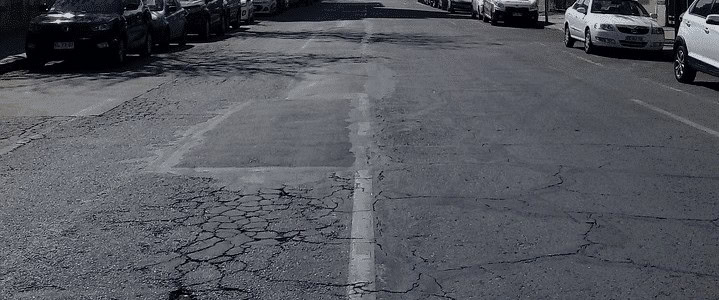
Finally, the extent of damage beyond the visible pothole affects cost. If you’ve got alligator cracking around the hole or the pavement is sinking, you’re looking at more than a simple patch. Saw-cut repairs that remove deteriorated sections and rebuild the base cost $4-$12 per square foot, but they address the actual problem instead of just covering it up.
Hidden Costs That Surprise Property Owners
Most property owners get blindsided by costs they didn’t see coming. The biggest surprise is usually base repair. You thought you were patching a pothole, but the contractor discovers the base underneath has failed. Now you’re looking at excavation, new gravel base material, proper compaction, and then the asphalt—work that can double or triple the original estimate.
Drainage corrections are another common unexpected cost. If the pothole formed because water isn’t draining properly, a responsible contractor will tell you that patching alone won’t solve the problem. You might need grading work to redirect water flow, or in some cases, subsurface drainage solutions. These aren’t upsells—they’re necessary if you want the repair to last.
Minimum service fees catch people off guard too. Many contractors charge $100-$250 minimum call-out fees regardless of the pothole size. That means a tiny pothole might cost $200 to fix not because the materials are expensive, but because it’s not worth mobilizing a crew and equipment for less.
Change orders are where things get ugly with less reputable contractors. They give you a low estimate to win the job, then “discover” problems once they start work and hit you with additional charges. This is why we provide detailed written estimates that account for likely scenarios based on a thorough site assessment—what we quote is what you pay.
Permits and inspections can add $20-$60 to commercial projects in some municipalities, though residential driveway repairs typically don’t require permits. It’s a small cost, but it’s one more thing that should be disclosed upfront rather than added to the final bill.
The real hidden cost is choosing the wrong repair method for your situation. A cheap temporary patch that fails in eight months costs you twice—once for the initial repair and again for the permanent fix you should have done from the start. Property owners who try to save money with repeated temporary fixes often spend more over two years than permanent repair would have cost initially.
Asphalt Repair Cost Per Square Foot: What to Expect
When you’re budgeting for asphalt repair, cost per square foot gives you a baseline for comparison. Cold-patch temporary repairs run $2-$4 per square foot. Hot-patch permanent surface repairs cost $2-$5 per square foot. Saw-cut full-depth repairs that address base problems cost $4-$12 per square foot. And infrared asphalt repair typically runs $2-$6 per square foot.
But here’s what matters more than the per-square-foot number: what you’re actually getting for that price. A $2 per square foot quote that doesn’t include proper base preparation will fail faster than a $5 per square foot repair that’s done correctly from the ground up.
The per-square-foot cost also changes based on project size. Larger repairs often cost less per square foot because of economies of scale. We can bring in equipment, materials, and crew once and complete more work, spreading the mobilization costs across more square footage. Small repairs might hit the higher end of the range because fixed costs like equipment and minimum crew time don’t change whether you’re patching 10 square feet or 100.
How Repair Method Affects Cost Per Square Foot
Cold-patch asphalt is the cheapest option at $2-$4 per square foot, but it’s designed as a temporary solution. The material doesn’t bond as well as hot-mix asphalt, and it’s particularly vulnerable to New Jersey’s freeze-thaw cycles. You can buy bags of cold-patch at hardware stores and do it yourself, which saves labor costs but doesn’t address underlying problems. Most cold-patch repairs last less than a year before they need replacement.
Hot-patch surface repairs using hot-mix asphalt cost $2-$5 per square foot and provide significantly better durability. We heat the asphalt, apply it to the prepared pothole, and compact it properly. These repairs can last 1-2 years for surface-only patches, but they’re still not addressing base problems if those exist. The key difference from cold-patch is the material quality and proper compaction, which creates a much stronger repair.
Saw-cut full-depth repairs are the most expensive at $4-$12 per square foot, but they’re the only option that truly fixes structural problems. We saw out a square or rectangle around the damaged area, remove all deteriorated asphalt down to the base, repair or replace the base material, apply a tack coat to the edges, install new hot-mix asphalt in proper lifts, and compact everything to specification. The edges are sealed with hot-rubberized crack sealer to prevent water infiltration. These repairs can last as long as the surrounding pavement if done correctly.
Infrared asphalt repair at $2-$6 per square foot offers a middle ground for certain situations. The process heats the existing asphalt to make it workable, rakes and blends it with new material if needed, and compacts to create a seamless repair with no joints for water to penetrate. It’s more cost-effective than full saw-cut replacement and creates better-looking results, but it only works when the base is still sound. You can’t use infrared repair to fix base failure.
The method that makes sense for your situation depends on what’s actually wrong. Surface-only damage from wear and tear might only need hot-patch repair. Potholes caused by base failure require saw-cut reconstruction. Trying to save money by using a cheaper method when a more expensive one is needed just means you’ll pay for repairs again sooner.
Regional Cost Factors in Hunterdon County, NJ
Hunterdon County’s location in western New Jersey creates specific cost factors that affect asphalt repair pricing. The area’s freeze-thaw cycles are particularly brutal on asphalt. Water seeps into small cracks, freezes, expands, and breaks apart the pavement. This happens repeatedly from late fall through early spring, accelerating pothole formation and making proper repair technique even more critical.
Local soil conditions also matter. Hunterdon County has areas with clay soil that expands and contracts with moisture changes, putting stress on asphalt from underneath. Proper base preparation that accounts for these soil conditions costs more upfront but prevents the settling and cracking that lead to repeated repairs. We’re familiar with local conditions and factor this into our estimates and methods.
Material costs in the region are relatively stable, but transportation adds to the price. Hot-mix asphalt must be used while hot, which means it comes from local asphalt plants. Distance from the plant to your property affects costs because the asphalt is cooling the entire time it’s being transported. Properties farther from plants might see slightly higher material costs or require special handling to maintain proper temperature.
Labor rates in Hunterdon County and surrounding areas (Mercer, Somerset, Bucks, Lehigh counties) reflect the regional cost of living. You’re typically looking at $50-$150 per hour for professional asphalt installation labor, though most contractors quote by the project rather than hourly. Experience matters significantly—crews that know how to handle local soil and drainage conditions deliver repairs that last longer.
Seasonal demand affects pricing too. Spring is peak season for asphalt work because everyone wants to fix winter damage as soon as temperatures allow. Some contractors raise prices during peak season or have longer wait times. Fall is often a better value because demand drops, but you’re racing against temperature drops that end the season for hot-mix work. Winter means temporary repairs only, which might be cheaper immediately but cost more long-term if you need permanent fixes later.
The competitive landscape in Hunterdon County includes both large commercial paving companies and smaller family operations. Larger companies might offer lower per-square-foot costs on big projects but have higher minimums. Smaller contractors often provide more personalized service and competitive pricing on residential work. The key is finding someone who provides transparent pricing, understands local conditions, and has a track record you can verify.
Asphalt Resurfacing Cost Per Sq Ft vs Spot Repairs
Sometimes you’re not looking at a single pothole—you’ve got multiple problem areas, widespread cracking, or an entire driveway or parking lot that’s deteriorating. That’s when you need to consider whether spot repairs make sense or if resurfacing is the better investment.
Asphalt resurfacing costs $1-$3 per square foot for standard work, or $3-$8 per square foot if you want decorative options like stamping or coloring. Resurfacing means applying a new 1.5-2 inch layer of asphalt over the existing surface after repairing any significant damage. It’s cheaper than complete replacement and extends your pavement’s life by 8-15 years when the base is still solid.
The math matters here. If you’re looking at repairing 30% or more of your surface area with individual pothole repairs at $2-$5 per square foot, resurfacing the entire area at $1-$3 per square foot often makes more financial sense. You get a uniform new surface, better aesthetics, and you address all the small cracks and wear that would become potholes next year.
When Spot Repairs Make Sense vs When to Resurface
Spot repairs are the right choice when you have isolated potholes or damage in an otherwise sound pavement surface. If less than 25-30% of your driveway or parking lot needs attention and the rest of the asphalt is in good condition, fixing just the problem areas saves money and gives you several more years of service.
The quality of your existing pavement matters. If the asphalt is less than 15-20 years old, the base is stable, and you’re just dealing with surface damage from wear and tear or a few potholes, spot repairs make perfect sense. You’re not throwing good money after bad—you’re maintaining an asset that still has useful life remaining.
Resurfacing becomes the better option when damage is widespread. Multiple potholes scattered across your pavement, extensive cracking patterns, or surface deterioration affecting more than 30% of the area all point toward resurfacing. At that point, the cost of individual repairs approaches or exceeds the cost of resurfacing everything, and you get better results with a uniform new surface.
Age is another factor. If your asphalt is approaching 15-20 years old and starting to show its age, resurfacing resets the clock and gives you another 8-15 years of life. Trying to patch your way through the declining years of old pavement usually means you’re doing repeated repairs as different areas fail.
The base condition determines whether resurfacing is even possible. Resurfacing only works when the foundation underneath is still solid. If you’ve got significant settling, base failure, or widespread alligator cracking that indicates structural problems, resurfacing won’t fix those issues. You need full-depth reconstruction that removes the old asphalt and rebuilds the base. That costs $4-$10 per square foot but addresses the actual problem.
Aesthetics matter for some properties. A driveway with multiple patch repairs looks exactly like what it is—a patchwork. For residential properties where curb appeal matters or commercial properties where first impressions affect business, resurfacing provides a clean, uniform appearance that spot repairs can’t match. The visual difference might justify the additional cost even if spot repairs would technically be adequate.
Budget and timing also play a role. If you don’t have the budget for resurfacing now but need to address safety issues or prevent further damage, spot repairs buy you time. You can do permanent pothole repairs this year and plan for resurfacing in a year or two when budget allows. Just don’t fall into the trap of doing cheap temporary patches repeatedly when saving for proper resurfacing would cost less overall.
Making the Right Pothole Repair Decision for Your Property
Pothole repair costs vary based on method, extent of damage, and whether you’re addressing symptoms or fixing root causes. Temporary patches are cheap now but expensive over time. Permanent repairs cost more upfront but last years longer. And sometimes resurfacing makes more sense than repeated spot repairs.
The key is getting a transparent estimate from someone who actually assesses your property’s specific conditions—drainage, base stability, extent of damage—and recommends the approach that makes sense for your situation and budget. Not the cheapest option that gets you to sign a contract, but the right solution that protects your investment.
If you’re dealing with potholes in Hunterdon County or surrounding areas and want straight answers about what your repair will actually cost and why, we provide detailed assessments and transparent pricing with no surprise fees. We’ve been handling asphalt repairs since 2000, treating every project with the same attention regardless of size or budget.