
Asphalt Pricing Per Square Foot Explained
You’re looking at your cracked driveway and wondering what it’ll actually cost to fix it right. The numbers you’re finding online are all over the place. Some guy knocked on your door last week saying he had leftover asphalt and could do it cheap. Your neighbor paid one price, but your driveway’s bigger and has a slope. So what’s the real asphalt cost per square foot in Hunterdon County, and how do you know if a quote is fair or if someone’s trying to take advantage of you? Let’s cut through the confusion and talk real numbers, real factors, and real warning signs you need to watch for.
What Asphalt Actually Costs Per Square Foot in 2026
Most Hunterdon County homeowners pay between $7 and $15 per square foot for professional asphalt installation. That’s the all-in number including materials and labor. The material itself runs $2 to $6 per square foot, while labor adds another $5 to $7 per square foot.
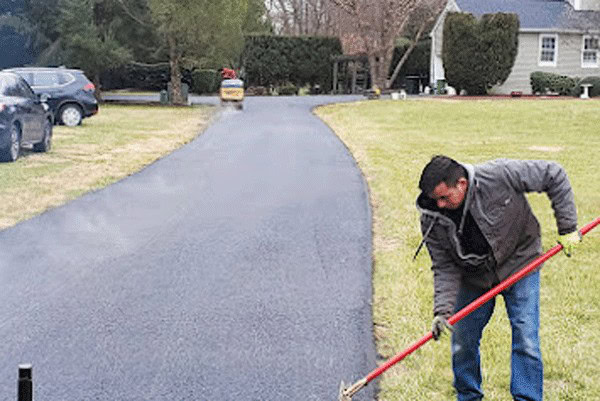
Here’s what that means for real driveways. A standard 400-square-foot two-car driveway typically costs between $3,500 and $5,500 in New Jersey. A larger 600-square-foot driveway runs $4,200 to $9,000 depending on complexity. Those ranges aren’t arbitrary. They reflect actual differences in what your project needs.
The lower end assumes favorable conditions. Your existing base is solid, the site is level and accessible, and you’re not dealing with drainage issues or major prep work. The higher end accounts for reality. Maybe you need the old driveway removed first. Maybe your property has a steep grade that requires extra grading work. Maybe your soil conditions demand a thicker base layer to prevent cracking down the road.
Breaking Down Material and Labor Costs
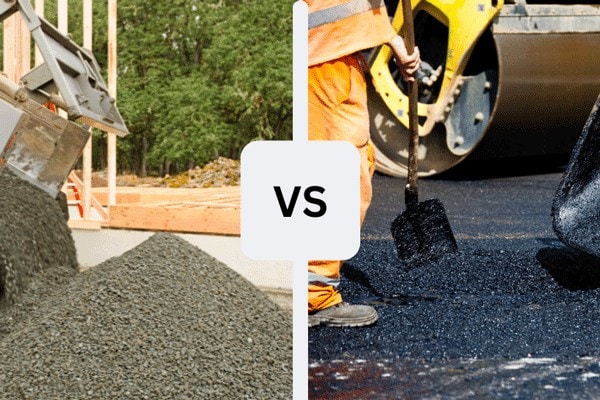
When contractors talk about asphalt cost per square foot, they’re usually referring to hot mix asphalt, which is the standard for residential driveways. This material gets heated to 250-350 degrees at the plant and needs to be laid quickly while it’s still workable. That temperature requirement is why professional crews use specialized equipment and why the “leftover asphalt” scam is such obvious nonsense.
Material costs fluctuate with oil prices since asphalt is petroleum-based. In 2026, you’re looking at $40 to $80 per ton for quality hot mix, with each ton covering roughly 80 square feet at 2 inches thick. We calculate tonnage based on your driveway dimensions and the recommended thickness for your specific situation.
Labor costs cover way more than just spreading asphalt. You’re paying for site evaluation, proper grading to ensure water runs off instead of pooling, base preparation that determines how long your driveway actually lasts, precise asphalt application, compaction with heavy roller equipment, and finishing work at transitions and edges. Experienced crews know that shortcuts in any of these steps lead to premature failure. Cracks, potholes, and water damage don’t show up on day one. They show up six months later when the contractor who rushed the job is long gone.
The thickness matters more than most homeowners realize. Residential driveways need at least 2 to 3 inches of compacted asphalt. Commercial lots or driveways that see heavy vehicles need 4 inches or more. When someone quotes you a price that seems too good to be true, ask about thickness. Scammers often lay asphalt so thin it looks fine for a day then starts crumbling at weak points almost immediately.
Base preparation is where legitimate contractors separate themselves from hacks. Your driveway sits on layers you never see but that determine everything about how it performs. A proper base includes graded and compacted soil, then 4 to 8 inches of crushed gravel depending on your soil type. Sandy soil drains naturally and needs less base. Clay soil holds water and requires a thicker base to prevent frost heave and cracking. Contractors who skip or rush this step save time and money at your expense.
Factors That Drive Your Price Up or Down
Size is the most obvious factor. The bigger your driveway, the higher your total cost. But price per square foot can actually drop slightly on larger projects because mobilization costs get spread across more square footage. Mobilization means getting the crew and equipment to your site. That cost is relatively fixed whether you’re paving 200 square feet or 800 square feet.
Site conditions make a huge difference. A flat, accessible driveway with good drainage costs less than a steep driveway with drainage issues and difficult access. Slopes require extra grading work and careful planning to prevent water from running toward your foundation. Curves and irregular shapes cost more than simple rectangles because they require more hand work and careful attention at edges and transitions.
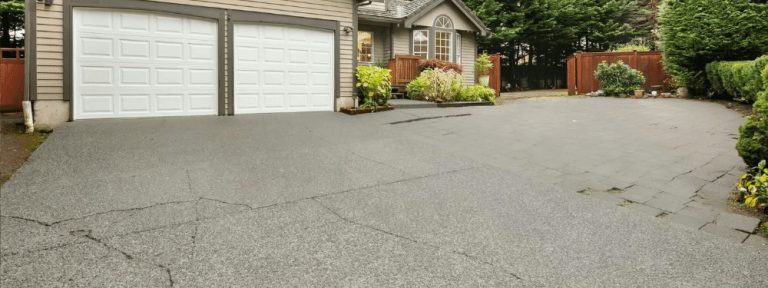
Existing surface removal adds $1 to $3 per square foot if your old driveway needs to come out first. Some driveways can be overlaid if the existing surface is in decent shape, but that’s not always the right call. If your current driveway has structural issues, drainage problems, or a failing base, an overlay just covers up problems that will resurface quickly.
Your soil type affects base requirements and therefore cost. Clay soil is common in parts of Hunterdon County and requires thicker base layers to handle freeze-thaw cycles without heaving. Sandy soil drains better but may need additional compaction. A good contractor evaluates your specific soil conditions and recommends appropriate base depth.
Timing affects availability and sometimes pricing. Spring through early fall is peak paving season because asphalt needs warm temperatures to cure properly. Contractors are busiest during these months, which can mean longer wait times. Some contractors offer better rates during shoulder seasons, but weather has to cooperate for quality installation.
The contractor you choose matters as much as any other factor. Established local companies with proper equipment, insurance, and experienced crews charge fair rates that reflect the quality of work they deliver. Fly-by-night operators with minimal equipment and no local reputation can quote lower prices because they’re cutting corners you won’t see until it’s too late. They skip proper base prep, lay thin asphalt, rush compaction, and disappear before problems surface.
Understanding the Asphalt Driveway Process
Knowing what actually goes into proper asphalt installation helps you evaluate whether a contractor is doing the job right or cutting corners. The process isn’t complicated, but each step matters. Skip one or rush through it, and you’re looking at premature failure.
The first step is demolition and removal if you have an existing surface. Crews use heavy equipment like bobcats and dump trucks to break up and haul away old asphalt or concrete. Legitimate contractors often recycle this material rather than dumping it, which is better for the environment and sometimes reduces costs.
Next comes grading and sloping. This is where proper drainage gets built into your driveway. The surface needs to slope away from your house so water runs off instead of pooling or flowing toward your foundation. Experienced contractors use laser-guided equipment to ensure precise grading. Poor grading is one of the most common reasons driveways fail prematurely. Water is asphalt’s worst enemy.
What a Legitimate Asphalt Paving Estimate Includes
A proper estimate starts with an on-site visit. Contractors who quote prices over the phone or based on satellite images are guessing. They haven’t seen your soil conditions, drainage situation, access challenges, or existing surface condition. An experienced contractor walks your property, asks about your needs and concerns, and explains what the project will involve.
The written estimate should spell out exactly what work will be done. That includes removal of existing surface if needed, site preparation and grading, base material type and depth, asphalt thickness and type, compaction method, and finishing work. Vague estimates that just list a total price without breaking down what’s included are red flags.
Material specifications matter. The estimate should state what type of asphalt will be used, how thick it will be laid, and what base materials are included. Standard hot mix asphalt is appropriate for most residential driveways. Some contractors offer recycled asphalt at lower cost, which can be fine for certain applications but has different performance characteristics than virgin hot mix.
Timeline and project phases should be discussed even if exact dates aren’t locked in. You need to know approximately when work will start, how long it will take, and what the process looks like. Will they do all the work in one visit or come back for different phases? How long before you can drive on the new surface? What weather conditions might delay the project?
Drainage is critical enough that it deserves its own conversation. A good contractor asks about existing drainage issues, explains how they’ll grade the site to prevent water problems, and discusses any special drainage solutions your property might need. If a contractor doesn’t bring up drainage, that’s a warning sign they might not be thinking about long-term performance.
Payment terms should be clear and reasonable. Most contractors require some deposit to schedule work and order materials, but it shouldn’t be the full amount upfront. Payment schedules that tie payments to project milestones protect both parties. Be wary of contractors who demand large cash payments before starting work or who pressure you to pay in full before the job is done.
Insurance and licensing information should be readily available. Legitimate contractors carry liability insurance and workers’ compensation coverage. They can provide proof of insurance without hesitation. They’re also properly licensed for the work they’re doing and can show you credentials if asked. Contractors who dodge these questions or make excuses about why they can’t provide documentation are not contractors you want on your property.
Red Flags and Scam Warning Signs to Watch For
Asphalt paving scams have become common enough that law enforcement agencies and consumer protection offices regularly issue warnings. The tactics are predictable once you know what to look for. Door-to-door solicitation is the biggest red flag. Legitimate paving companies don’t knock on doors offering to pave your driveway. They’re busy enough with customers who sought them out. If someone shows up uninvited claiming they have leftover asphalt from a job down the street, that’s a scam. Professional contractors calculate material needs carefully. There’s no such thing as enough leftover asphalt to pave your driveway.
The “leftover asphalt” pitch often comes with artificial urgency. They claim the asphalt will go to waste if they can’t use it right now, so they’re offering you a great deal but you have to decide immediately. This pressure tactic is designed to prevent you from thinking clearly, getting other quotes, or checking their credentials. Legitimate contractors don’t pressure you into immediate decisions. They provide written estimates and give you time to consider your options.
Cash-only demands are another clear warning sign. Reputable contractors accept multiple payment methods including checks and credit cards. They have business bank accounts and payment processing systems. Scammers want cash because it’s untraceable. Once they have your cash, you have no recourse when the work turns out to be garbage or they disappear halfway through the job.
No written contract means no accountability. If a contractor won’t put the agreement in writing with detailed scope, materials, timeline, and cost breakdown, walk away. Verbal agreements are worthless when problems arise. Written contracts protect both parties and ensure everyone understands expectations.
Unmarked vehicles and out-of-state license plates should make you cautious. Legitimate local contractors have branded trucks with company names and contact information. They have local addresses. Scammers operate out of unmarked vehicles, often with out-of-state plates, making it easy to disappear when homeowners realize they’ve been ripped off.
Prices that seem too good to be true usually are. If one quote is dramatically lower than others, there’s a reason. That contractor is either planning to use substandard materials, skip critical steps like proper base preparation, lay asphalt thinner than recommended, or come back mid-project demanding more money to finish the job. Extremely low bids often mean the contractor plans to cut corners that compromise quality and longevity.
Watch for bait-and-switch tactics during the work itself. Some scammers quote a reasonable price, start the job, then claim they discovered unexpected issues that will cost significantly more to address. While legitimate unexpected conditions do sometimes arise, scammers use this tactic deliberately. They know once they’ve started tearing up your driveway, you’re in a difficult position. They pressure you to pay the inflated price to get the job finished.
Making Smart Decisions About Asphalt Paving Costs
Understanding asphalt cost per square foot gives you a foundation for evaluating quotes and spotting red flags. In Hunterdon County, expect to pay $7 to $15 per square foot for quality work from legitimate contractors. That range reflects real differences in project complexity, site conditions, and material requirements.
The lowest price rarely delivers the best value. Proper asphalt installation requires skilled labor, quality materials, appropriate equipment, and attention to critical details like base preparation and drainage. Contractors who cut corners to offer rock-bottom prices leave you with driveways that fail prematurely. You end up paying twice when you have to hire someone else to fix or replace substandard work.
Take time to get multiple written estimates from established local contractors. Check their credentials, read online reviews, and ask for references. A contractor with roots in the community and a reputation to protect has every reason to do quality work. Fly-by-night operators have every reason to cut corners and disappear.
We’ve been serving Hunterdon County with honest, quality paving work backed by decades of family tradition and hands-on experience. Every project gets the same attention to detail whether it’s a small residential driveway or a complex commercial job, because we treat every client like our top client and our owner is on site for every job to ensure it’s done right.