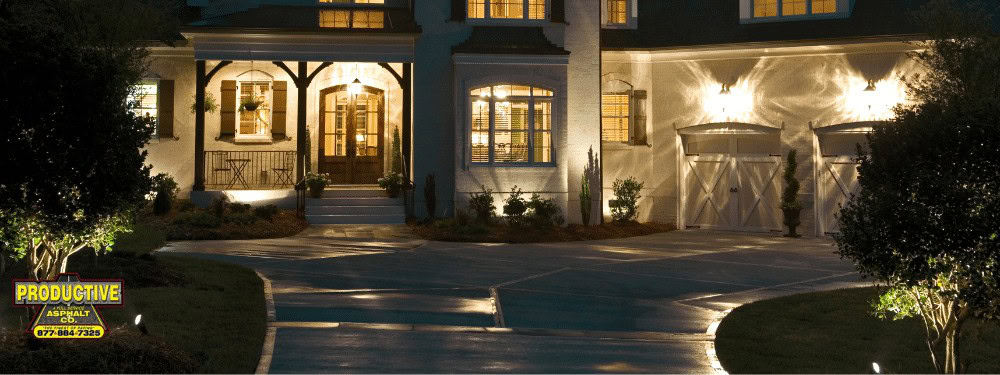
Stamped Asphalt Contractors: Decorative Paving
You want your driveway or entrance to look impressive, but the quotes you’ve gotten for brick pavers or decorative concrete have you reconsidering. There’s another option that delivers the upscale appearance you’re after without the premium price tag or lengthy installation timeline. Stamped asphalt creates realistic brick, stone, or cobblestone patterns directly on asphalt surfaces, giving you the aesthetic appeal of traditional pavers at roughly half the cost. The process is faster, the maintenance is simpler, and when installed correctly, the results last for decades. Here’s what you need to know about stamped asphalt and how it compares to other decorative paving options.
What Is Stamped Asphalt and How Does It Work
Stamped asphalt transforms standard asphalt into decorative paving that mimics brick, stone, slate, or other premium materials. The process uses specialized templates pressed into heated asphalt to create realistic patterns and textures.
We either stamp freshly laid asphalt or use infrared heating equipment to soften existing asphalt surfaces to the proper temperature—typically around 170°F. Once the asphalt reaches the right consistency, metal wire rope templates configured in patterns like herringbone brick, cobblestone, or slate are positioned on the surface and pressed in using a plate compactor. After the pattern is imprinted, durable polymer-modified coatings are applied to add color, enhance UV resistance, and protect against water penetration and aging.
The finished surface looks remarkably similar to hand-laid brick or stone pavers but maintains asphalt’s structural advantages. There are no joints where weeds can grow, no individual pieces that shift or settle over time, and no gaps that collect water and create maintenance headaches.
Stamped Asphalt Installation Process and Timeline
The installation process for stamped asphalt moves considerably faster than traditional paver installation, which matters when you’re trying to minimize disruption to your property or business. Most stamped asphalt projects are completed in a matter of days rather than the weeks often required for brick or stone paver installation.
For new installations, we first prepare the base with proper grading and compaction, then lay fresh hot-mix asphalt. While the asphalt is still hot and pliable, stamping templates are positioned and pressed into the surface using vibratory equipment. The templates create impressions that replicate the joints and texture of individual pavers or stones. Once the pattern is established across the entire surface, the templates are removed, revealing the three-dimensional design.
For existing asphalt that’s still in good structural condition, we use portable infrared heaters to soften the surface without removing or replacing the asphalt. This reheating method allows decorative patterns to be added to driveways, entrances, or parking areas that are functionally sound but aesthetically dated. The ability to work with existing asphalt eliminates demolition and disposal costs while dramatically reducing project timelines.
After stamping, specialized coatings are applied in multiple layers. These aren’t ordinary paints—they’re engineered polymer-modified systems designed specifically for asphalt surfaces. The coatings add color, increase abrasion resistance, and provide protection against UV rays, water infiltration, and chemical exposure. Some coating systems incorporate aggregate for enhanced slip resistance, which is particularly important for walkways, crosswalks, and commercial entrances.
The entire process—from surface preparation through final coating—typically takes two to four days for residential driveways, depending on size and complexity. Commercial projects may require additional time, but stamped asphalt still installs roughly 10 times faster than traditional brick or stone paver systems. This speed advantage translates to less disruption for property owners and lower labor costs.
Design Options and Pattern Choices for Decorative Asphalt
One of stamped asphalt’s strengths is the range of patterns and colors available to match different architectural styles and personal preferences. The most popular pattern is the running bond brick design, which replicates the look of traditional brick pavers laid in offset rows. This classic pattern works well with both historic and contemporary properties.
Herringbone patterns create a more intricate appearance with bricks or stones arranged in interlocking V-shaped designs. This pattern is particularly effective for driveways and high-traffic areas because it offers strong visual interest while maintaining excellent structural interlock. The herringbone layout can be oriented at 45 or 90 degrees depending on the desired effect and the shape of the paved area.
Cobblestone and slate patterns provide more rustic or natural appearances. These designs work especially well for properties with traditional architecture or rural settings where a weathered, old-world aesthetic is desirable. The stamping templates create irregular edges and varied textures that closely mimic the authentic materials.
Color options have expanded significantly as coating technologies have improved. Standard colors include terra cotta reds, burnt siennas, and warm brick tones that replicate traditional clay pavers. Gray tones ranging from light silver to charcoal offer a more contemporary look. Beige and tan colors work well for properties seeking to match stone or lighter-colored architectural elements. We can even create custom color blends or use multiple colors within a single project to add borders, accents, or distinct zones.
The color is applied through the coating system rather than mixed into the asphalt itself. This approach allows for more vibrant, consistent colors and makes future refreshing more straightforward. Modern coating formulations include UV stabilizers that help colors resist fading from sun exposure—a significant improvement over early stamped asphalt systems that experienced noticeable color degradation within a few years.
For properties wanting something truly unique, we can combine different patterns, create custom borders, or even incorporate logos and emblems. Commercial properties sometimes use stamped asphalt for branded entryways or decorative elements that reinforce their visual identity. The flexibility of the stamping process allows for creative applications that would be difficult or impossible to achieve with pre-manufactured pavers.
Private Road Construction and Specialized Paving Applications
Private road construction represents a specialized application where stamped asphalt can deliver both functional and aesthetic benefits. Estate properties, rural developments, and shared access roads often need paving solutions that handle regular vehicle traffic while maintaining an upscale appearance that complements the surrounding landscape.
In New Jersey, private road construction requires municipal planning board approval under the state’s Municipal Land Use Law. The approval process examines design, layout, drainage, and other factors to ensure the private road meets safety and functionality standards. Working with experienced contractors who understand these requirements helps navigate the approval process more efficiently.
Stamped asphalt works particularly well for private roads because it provides the structural integrity of traditional asphalt while offering decorative options that elevate the appearance beyond standard blacktop. The continuous surface handles vehicle traffic better than individual pavers, which can shift or settle under repeated loading. There’s no risk of the rutting or displacement that sometimes occurs with brick or stone paver roads, especially in areas with heavy vehicles or frequent deliveries.
Drainage and Grading Considerations for Hunterdon County Properties
Proper drainage is critical for any paving project in Hunterdon County, where clay soils and rolling topography create unique challenges. Water that’s not properly managed will eventually undermine even the best paving installation, leading to settlement, cracking, and premature failure.
Stamped asphalt offers advantages in drainage management compared to traditional paver systems. The continuous surface can be precisely graded to direct water flow toward designated collection points. There are no joints or gaps where water can infiltrate and accumulate beneath the surface—a common problem with brick and stone pavers where joint sand washes out over time, creating voids that fill with water.
We address drainage during the base preparation phase, establishing proper slopes and grades before any asphalt is laid. In areas where water accumulation is a concern, we may incorporate subsurface drainage systems or strategically position catch basins. The key is ensuring water moves away from structures and doesn’t pond on the paved surface.
Hunterdon County’s clay soils retain moisture and are prone to expansion and contraction with seasonal freeze-thaw cycles. This movement puts stress on paving surfaces. Stamped asphalt’s flexible nature helps it accommodate this movement better than rigid concrete or individual pavers that can heave and separate. The asphalt base flexes slightly rather than cracking, and the stamped pattern remains intact even when minor substrate movement occurs.
For private roads and longer driveways, crown grading—where the center of the road is slightly higher than the edges—helps shed water to both sides. Cross-slope grading directs water to one side where it can be collected and managed. These techniques, combined with proper base compaction and adequate asphalt thickness, create paving that performs well even in challenging soil conditions.
Water management also extends to preventing water from reaching the paved surface in the first place. We evaluate upslope areas and implement solutions to intercept and redirect water before it flows across the pavement. This might involve swales, berms, or strategic landscaping that channels water away from critical areas. Getting drainage right from the beginning prevents the costly repairs and ongoing maintenance issues that plague poorly planned installations.
Comparing Stamped Asphalt Cost to Block Paving Bricks and Other Alternatives
Cost is often the deciding factor when choosing between stamped asphalt and alternatives like block paving bricks, concrete pavers, or stamped concrete. Understanding the full cost picture—including installation, long-term maintenance, and potential repairs—helps you make an informed decision.
Stamped asphalt typically costs between $8 and $15 per square foot installed, depending on project size, pattern complexity, and site conditions. This includes base preparation, asphalt installation, stamping, and coating application. For a standard 500-square-foot driveway, you’re looking at roughly $4,000 to $7,500.
Block paving bricks and concrete pavers generally range from $15 to $30 per square foot installed. That same 500-square-foot driveway would cost $7,500 to $15,000—potentially double the stamped asphalt price. The higher cost reflects the labor-intensive installation process where each paver must be individually placed, leveled, and adjusted. Edge restraints, joint sand, and compaction add additional time and materials.
Stamped concrete falls somewhere in between, typically costing $12 to $25 per square foot for basic patterns. More complex designs with multiple colors or intricate borders push costs higher. While stamped concrete offers good aesthetics, it shares concrete’s susceptibility to cracking, especially in areas with freeze-thaw cycles. Repairs are often visible and difficult to blend seamlessly with the surrounding surface.
The cost advantage of stamped asphalt becomes even more apparent when you factor in installation time. A project that takes two to three days with stamped asphalt might require one to two weeks with pavers. That time difference affects labor costs and also matters when you need to minimize disruption to your property or business.
Long-term maintenance costs also favor stamped asphalt. Block paving bricks require periodic releveling as individual pavers settle or shift, joint sand needs replenishment, and weeds that grow between pavers must be removed. Stamped asphalt’s continuous surface eliminates these issues. The main maintenance requirement is resealing every three to five years to refresh the color and maintain surface protection—a straightforward process that costs significantly less than the ongoing maintenance pavers demand.
Repair costs tell a similar story. When stamped asphalt is damaged, we can use infrared heating to soften the affected area, re-stamp the pattern, and apply fresh coating. The repair blends invisibly with the surrounding surface. Repairing damaged pavers often means replacing individual units, and finding exact color matches for pavers that have been in place for several years can be challenging. The repaired area may be noticeable even when done carefully.
For property owners working within a budget, stamped asphalt delivers decorative appeal without the premium price of traditional alternatives. You get an upscale appearance that enhances curb appeal and property value while keeping costs reasonable and predictable.
Choosing the Right Stamped Asphalt Contractor in Hunterdon County
The quality of your stamped asphalt installation depends heavily on contractor experience and attention to detail. The stamping process requires precise temperature control, proper template placement, and expert coating application. Contractors who understand local soil conditions, drainage requirements, and climate factors deliver results that look better and last longer.
Look for contractors with specific experience in decorative asphalt installation, not just standard paving. The techniques and equipment differ significantly. Ask about their stamping process, the coating systems they use, and how they handle drainage and base preparation. Experienced contractors can show you examples of completed projects and explain their approach to ensuring pattern consistency and color longevity.
For Hunterdon County properties, working with local contractors who understand the area’s clay soils, topography, and weather patterns makes a difference. We know how to grade for proper drainage, select appropriate base depths, and account for seasonal freeze-thaw movement that affects paving performance.
At Productive Asphalt LLC, we bring decades of paving expertise to every stamped asphalt and decorative paving project. With a family tradition in the industry since 1948 and hands-on experience since 2000, we understand what it takes to deliver installations that perform well and look great for years to come.